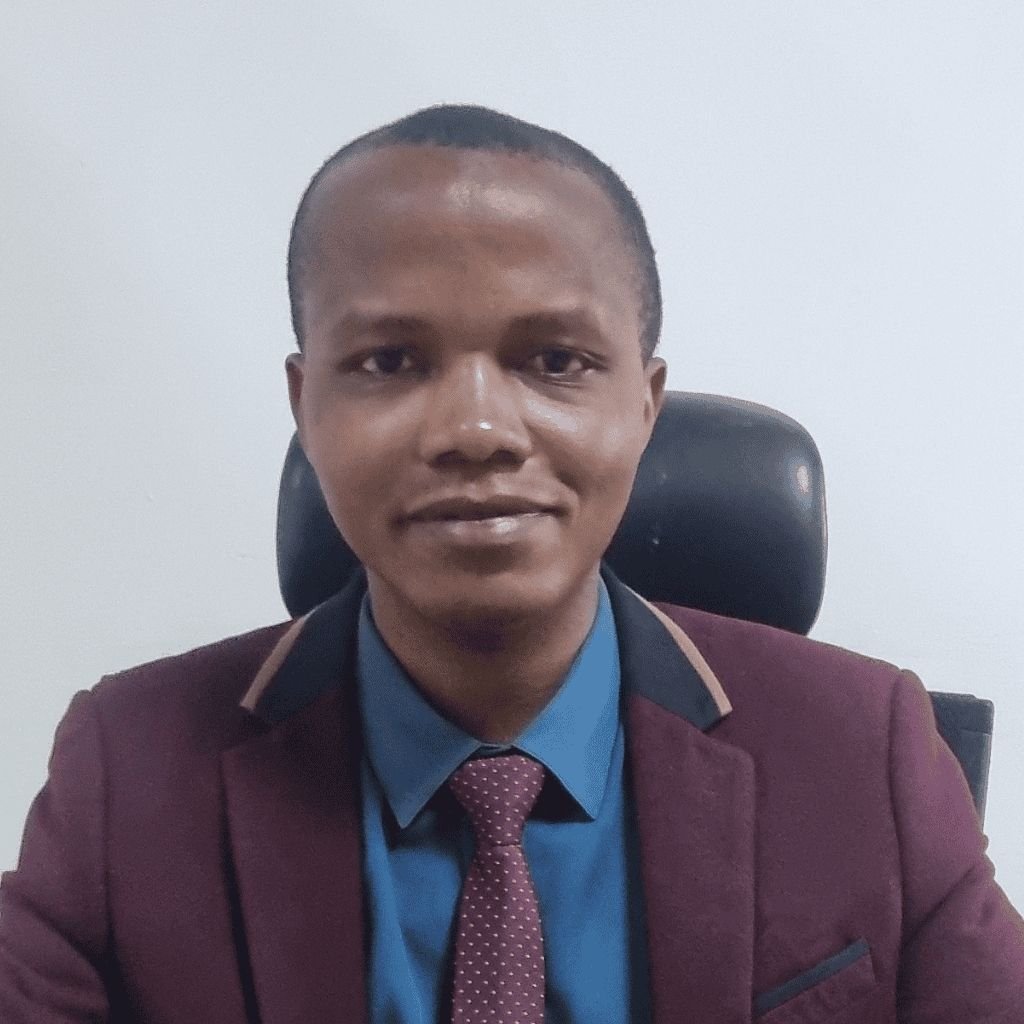

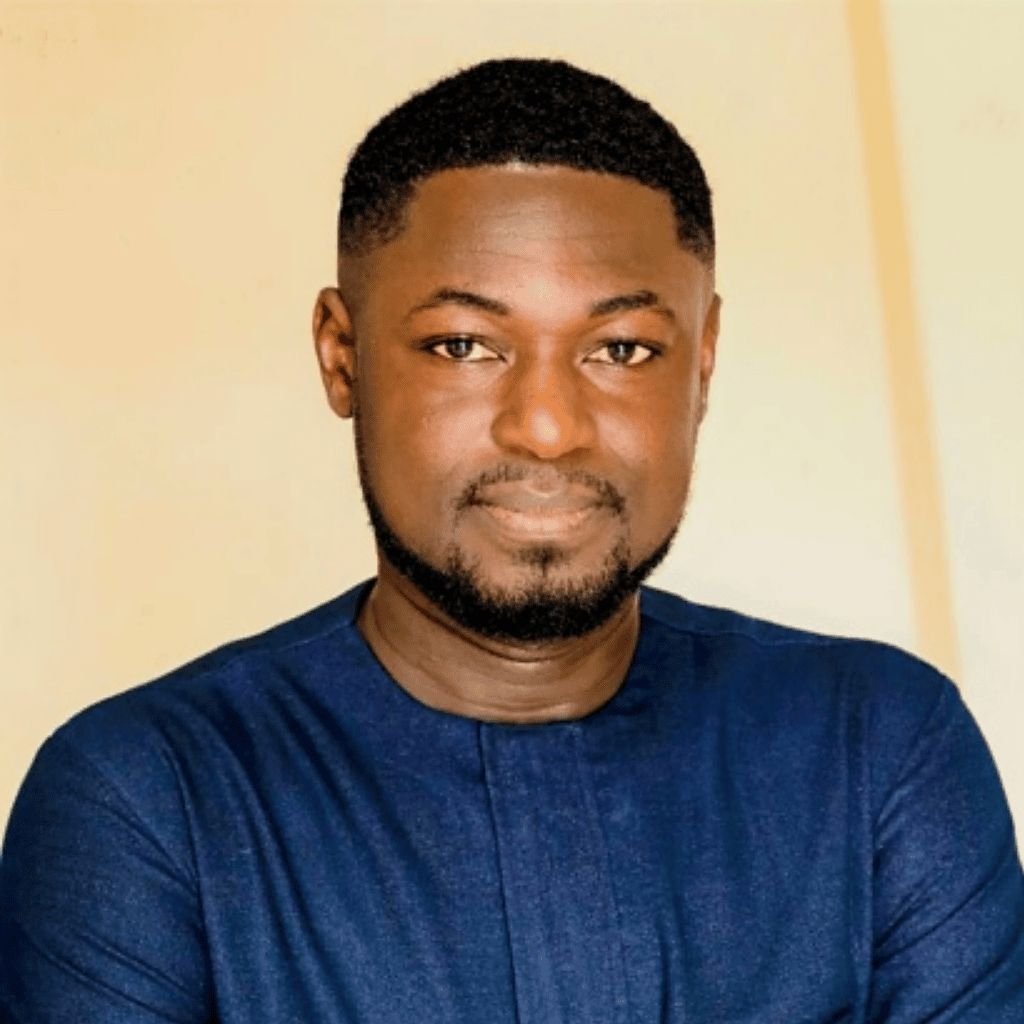
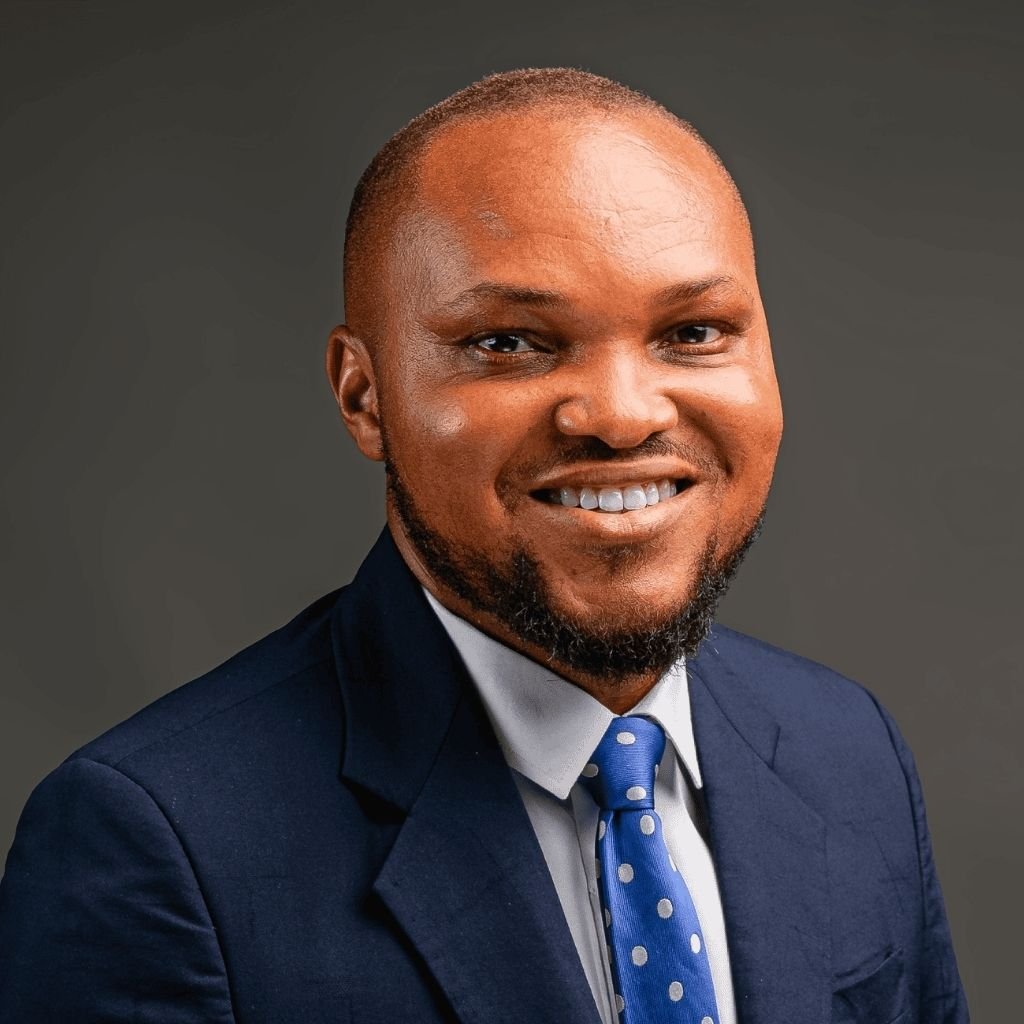
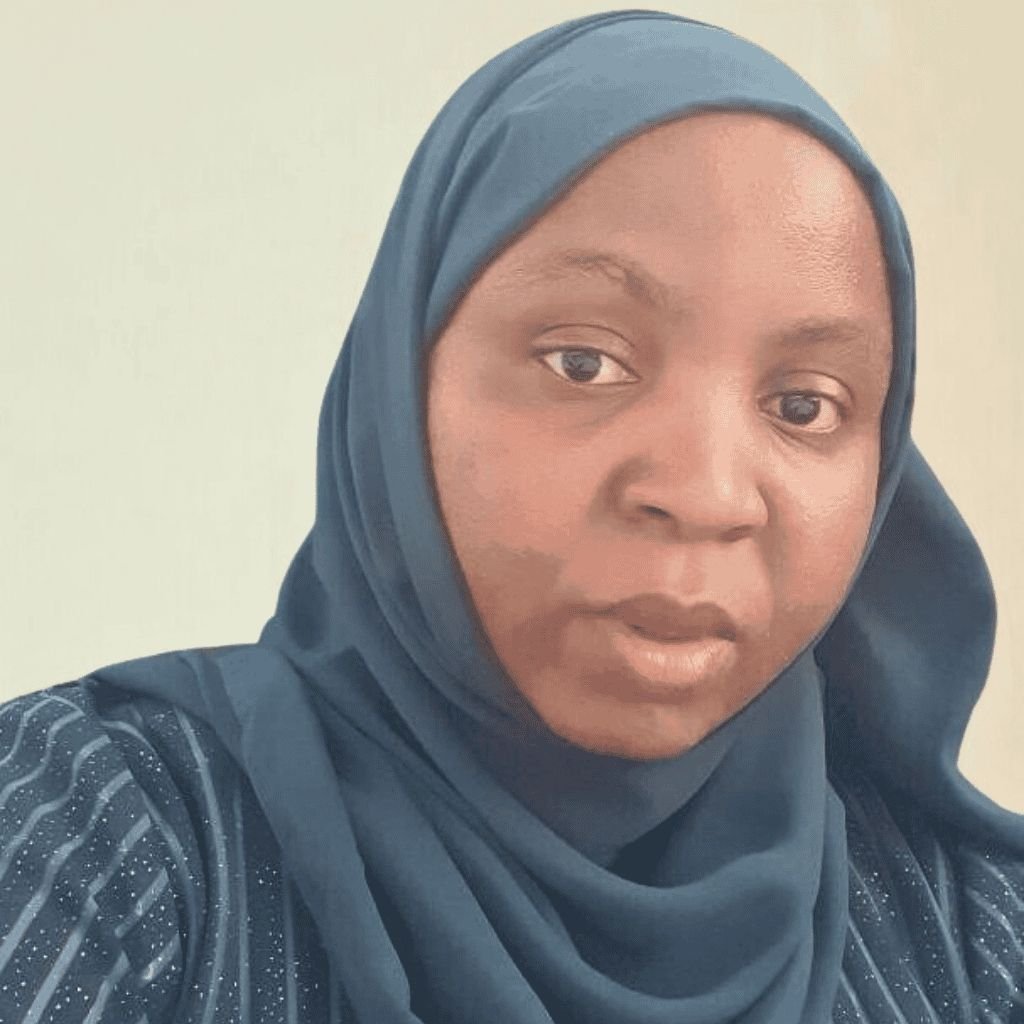


Empowering the Next Generation of Leaders in Ethical and Sustainable Aquaculture
The AFIWEL Fellowship is a pioneering pan-African capacity building, community strengthening, and field implementation program designed for professionals with expertise in fisheries, aquaculture, and aquatic animal health. The Fellowship is an integral part of the broader Africa Fish and Aquaculture Welfare (AFIWEL) Program, led by One Health and Development Initiative (OHDI).
The Fellowship was established to cultivate a network of national champions and advocates for fish welfare, equipping them with the knowledge, skills, and practical experience needed to drive sustainable, welfare-aligned aquaculture practices across the continent.
The 2025 AFIWEL Fellowship, running from January to December 2025, represents the inaugural and pilot cohort of this transformative initiative. The first cohort comprises Fellows from eight of Africa's leading fish-producing countries: Ghana, Kenya, Malawi, Nigeria, South Africa, Tunisia, Uganda, Zambia
Build the capacity of fisheries and aquaculture professionals on global best practices in Fish and Aquatic Animal Welfare, adapted for African contexts.
Enhance Fellows’ knowledge, leadership, and technical skills in designing and implementing fish welfare interventions. This includes developing and adapting training guides, conducting stakeholder and farmer trainings, fostering community engagement, undertaking research, and leading policy advocacy efforts.
Support Fellows in implementing country-specific activities that integrate welfare-compliant practices into existing aquaculture systems, while contributing to the broader discourse on farmed animal welfare and sustainability in Africa.
Through the Fellowship, participants engage in a blend of structured learning, mentorship, and hands-on implementation of fish welfare projects in their respective countries. Fellows are empowered to apply their expertise to:
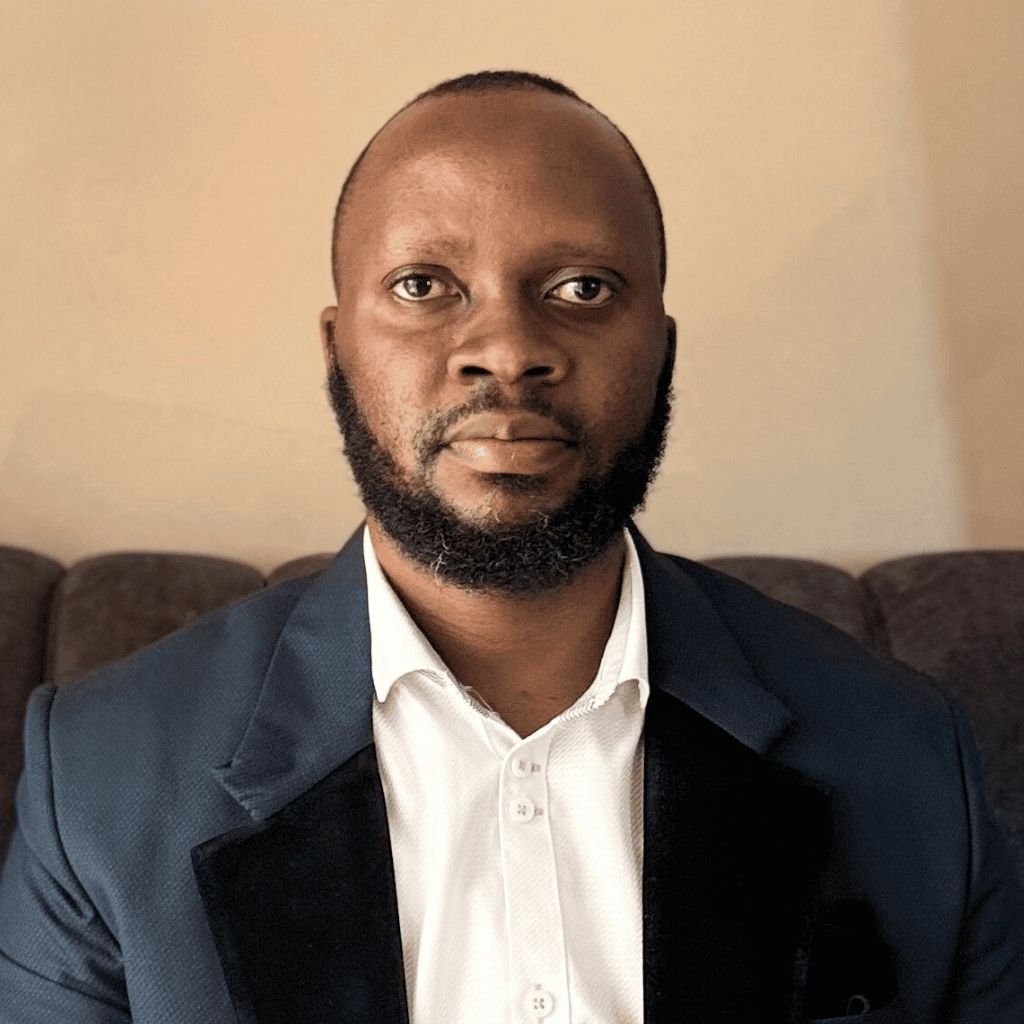
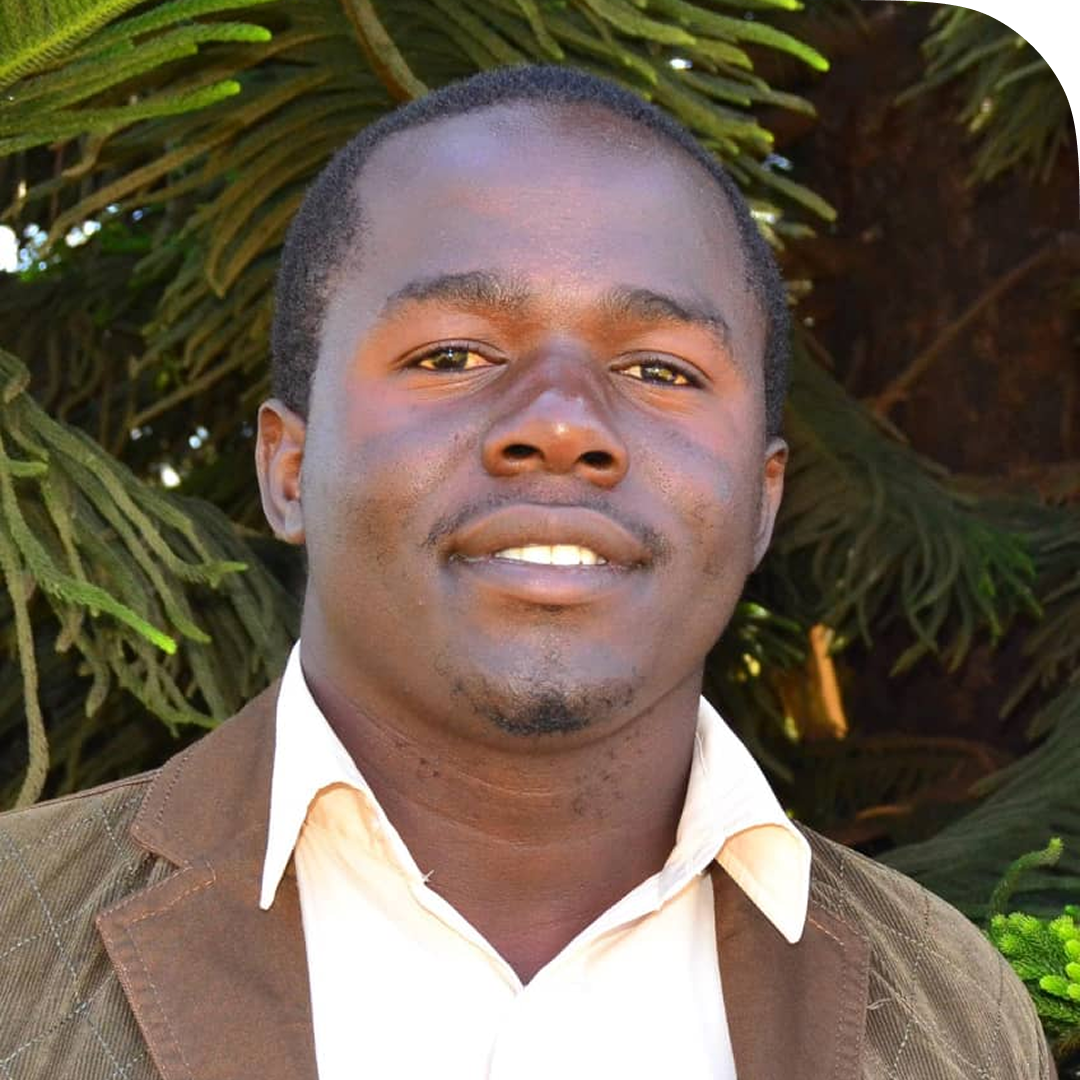
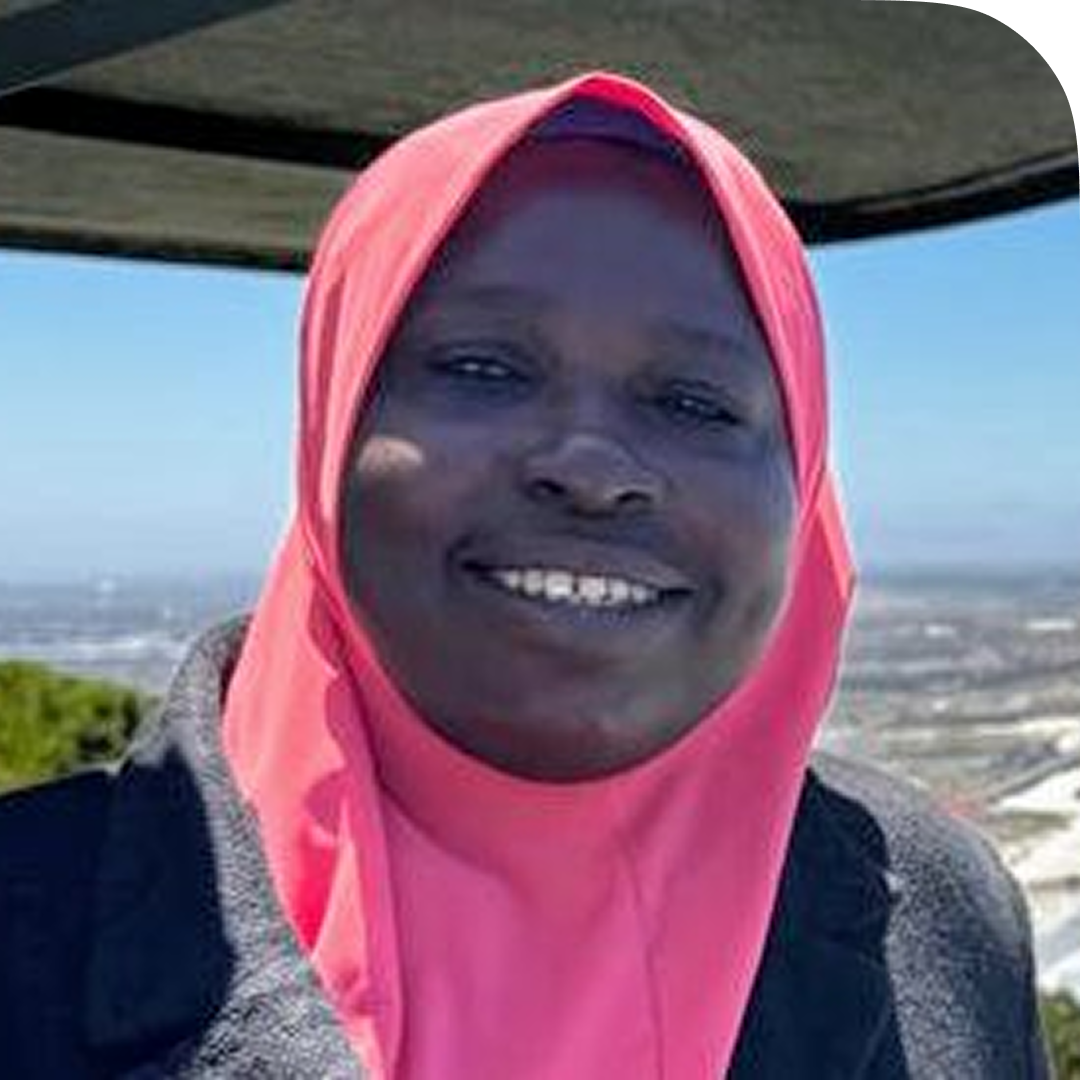
Champions of Ethical & Sustainable Aquaculture in Africa
Champions of Ethical & Sustainable Aquaculture in Africa
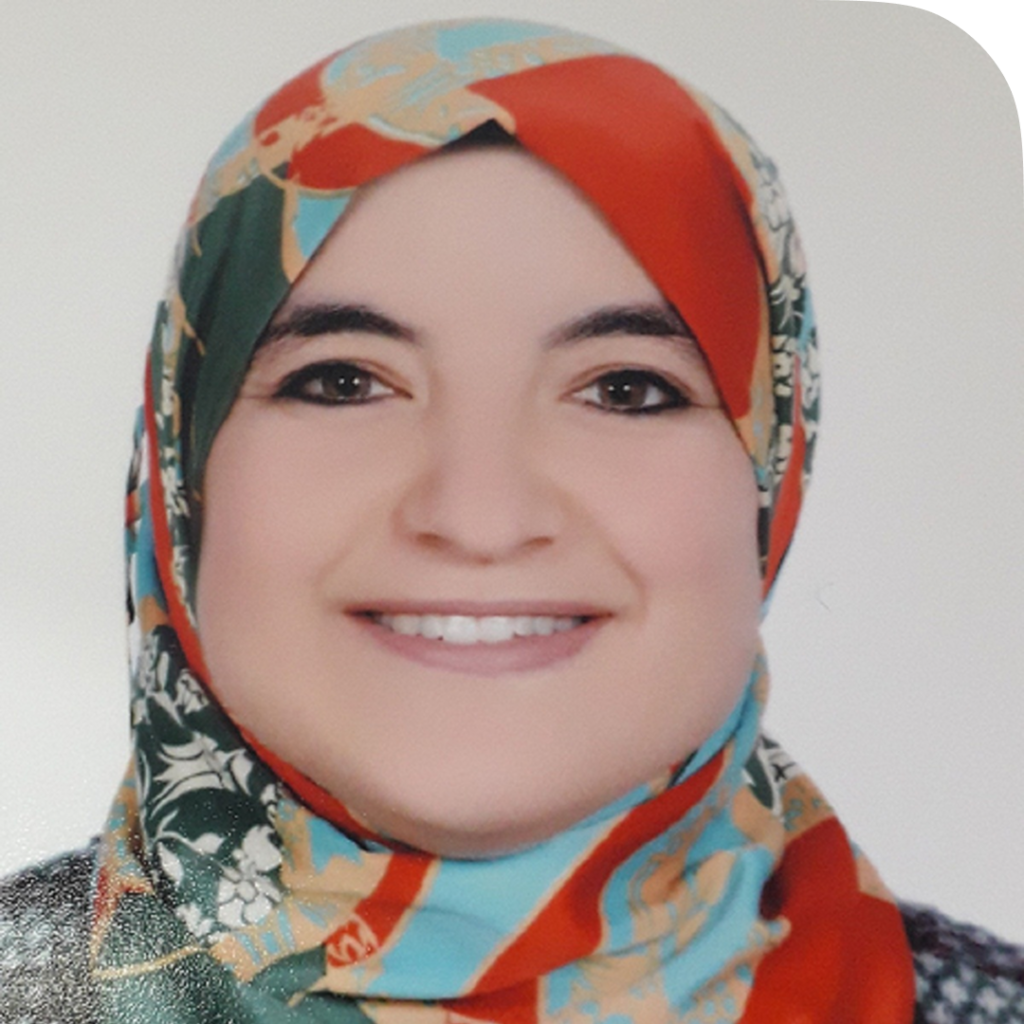
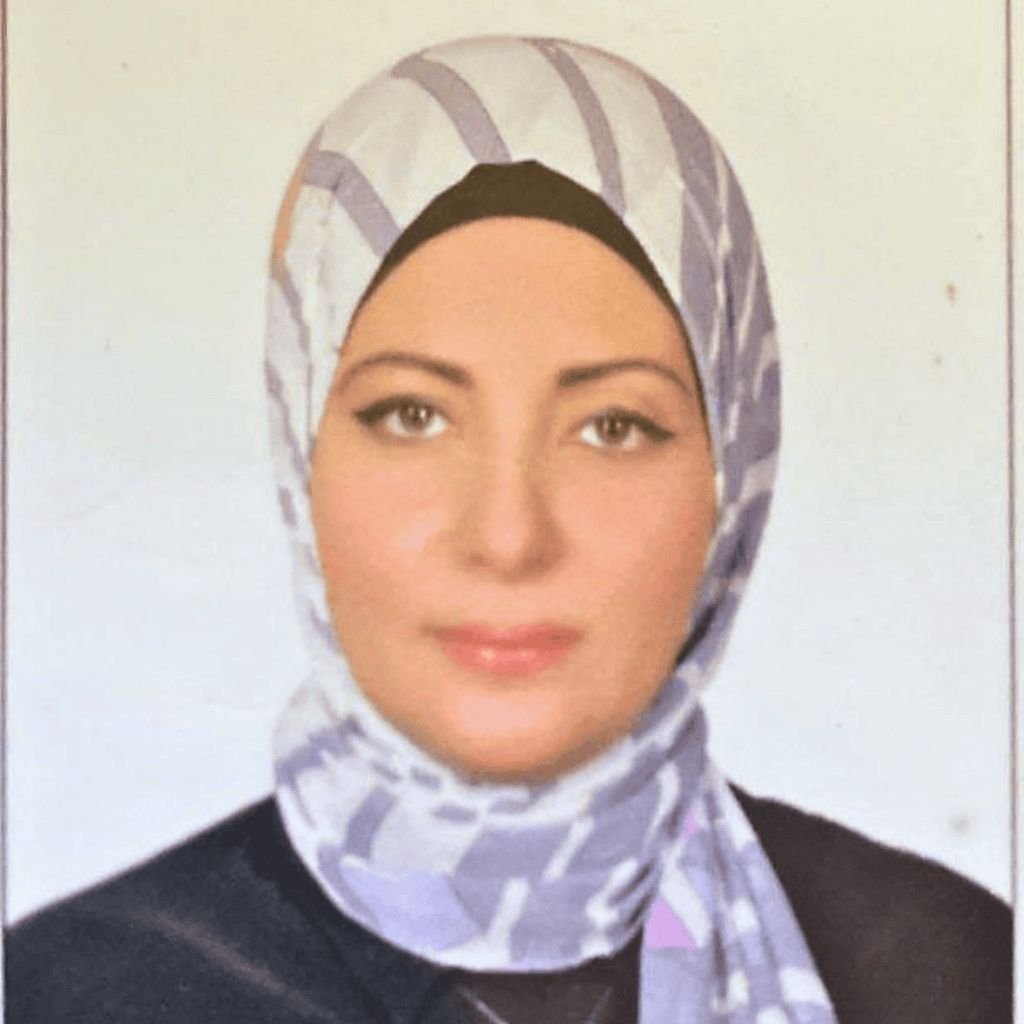
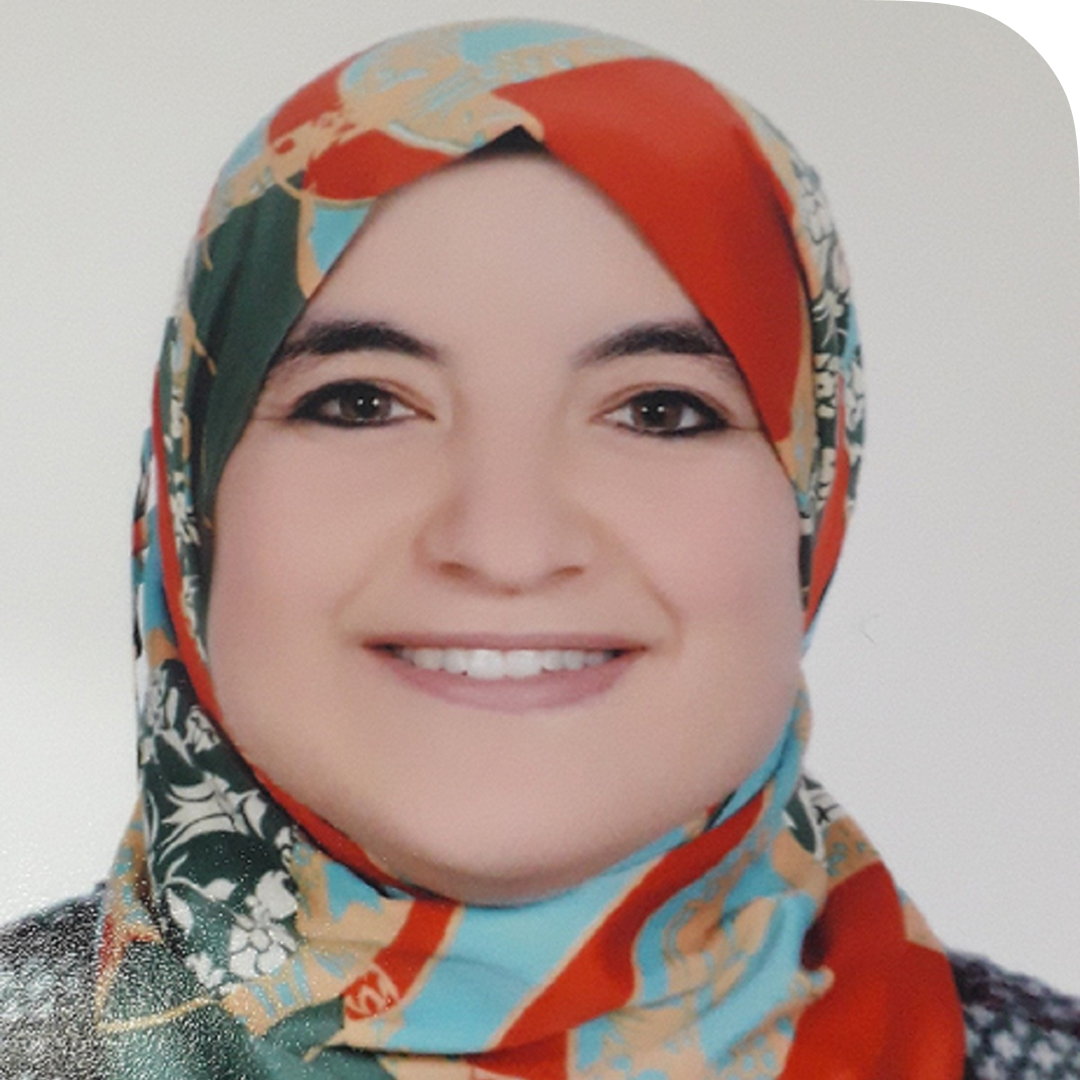
Prof. Mai Nashaat Hassan Saleh is an Egyptian aquatic health and fisheries scientist specializing in fish and crustacean diseases, aquatic pathology, histopathology, immunology, and nutrition. She currently serves as Associate Professor at the Aquatic Health and Diseases Laboratory, Aquaculture Division, National Institute of Oceanography and Fisheries (NIOF), Egypt. She holds a BSc, MSc, and PhD from Suez Canal University and was awarded the NIOF Scientific Excellence Award for her publications in Q1–Q3 SCOPUS-indexed journals.
Dr. Nashaat has an extensive teaching and mentorship portfolio, having trained over 200 undergraduate, 30 Masters, and 20 PhD students in courses including fish and crustacean diseases, fungal and parasitic infections, and aquaculture health management. She has contributed to the development of aquaculture curricula and training manuals and has served on multiple thesis and oral examination committees.
Her research spans parasitology, probiotic applications, disease prevention, and marine biodiversity, with numerous peer-reviewed publications in journals such as the Egyptian Journal of Aquatic Biology & Fisheries and the Bulletin of the European Association of Fish Pathologists. She has presented her work at international conferences in France and Egypt and participated in regional and international projects on marine biodiversity, pollution assessment, and food waste recycling for aquaculture.
Dr. Nashaat is an active member of the Egyptian Society of Environmental Science and the Egyptian Society of Parasitological Science, and serves on editorial and peer-review boards for multiple journals. She has completed specialized training in PCR applications, biostatistics, fish disease management, harmful algal blooms, and ocean literacy.
Fluent in Arabic and professionally proficient in English, Dr. Nashaat integrates scientific research, teaching, and practical capacity-building to promote sustainable, welfare-focused aquaculture in Egypt and the broader MENA region.
Placide Nkundimana is a Rwandan fisheries and animal products professional with expertise in aquatic resources management, fishery economics, seafood safety, and animal product quality control. He currently serves at the Rwanda Inspectorate, Competition and Consumer Protection Authority (RICA), focusing on animal products quality control, ensuring compliance with food safety standards and improving consumer protection in Rwanda.
Placide holds a Master of Fisheries Science from Pukyong National University, South Korea, where he specialized in finfish aquaculture, eco-friendly fish culture systems, fisheries physiology, seafood safety, and fisheries governance. He also earned a Bachelor of Science with Honours in Animal Production from the University of Rwanda, with competencies in animal nutrition, aquatic resource management, animal products technology, and agricultural extension.
He has extensive professional experience in both public and private sectors, including animal product inspection at MINAGRI, livestock research at RAB, and agribusiness coordination at GAI Ltd. Placide has participated in numerous international trainings on food safety, zoonotic diseases, aquaculture biosecurity, and sustainable fisheries practices across USA, Sweden, South Korea, and Tanzania.
He is fluent in English, French, and Kinyarwanda and is recognized for his strong communication, organizational, and team management skills.
Nandrianina Maminantenaina is a Malagasy fisheries and aquaculture specialist, environmental educator, and youth leader with extensive experience in sustainable aquaculture, coastal science, and community development. She holds a Master’s degree in Fisheries and Aquaculture and a Bachelor’s degree in Fisheries and Aquaculture from the Fisheries and Marine Sciences Institute, University of Toliara, Madagascar.
Nandrianina is the Co-founder and Chief Operating Officer of MADA-FIA, an initiative advancing sustainable aquaculture and youth entrepreneurship in Madagascar. Since August 2025, she has represented Madagascar as a Youth Delegate at the World Food Forum, advocating for inclusive food systems and youth participation in sustainable development.
Her professional experience spans research, project management, and field-based aquaculture operations. She has served as an aquaculture technician at VISTI Association, a research intern for the MASMA project (Marine and Coastal Science for Management), and conducted research on optimizing Macrobrachium sp. larval survival at the Centre de Développement de l’Aquaculture in Mahajanga. Additionally, she has contributed to digital and data-focused roles, including remote work with Isahit France.
Nandrianina has participated in multiple international fellowships, trainings, and conferences, including the TECA Fellowship and Acceleration Program, Aspire Leadership Program (2025 cohort), and the Africa Blue Venture Builder Bootcamp (Cape Town, 2024). She is fluent in Malagasy, French, and English.
Her research, publications, and presentations have focused on aquaculture innovation, blue economy entrepreneurship, and sustainable coastal resource management. She is a member of professional networks such as WIOMSA, OJADE Madagascar, YSO-Madagascar, and WIO-ECSN, reflecting her active engagement in regional marine science and youth development initiatives.
Nandrianina’s work bridges science, entrepreneurship, and youth empowerment, with a strong commitment to applying sustainable aquaculture practices to strengthen Madagascar’s food security and coastal livelihoods.
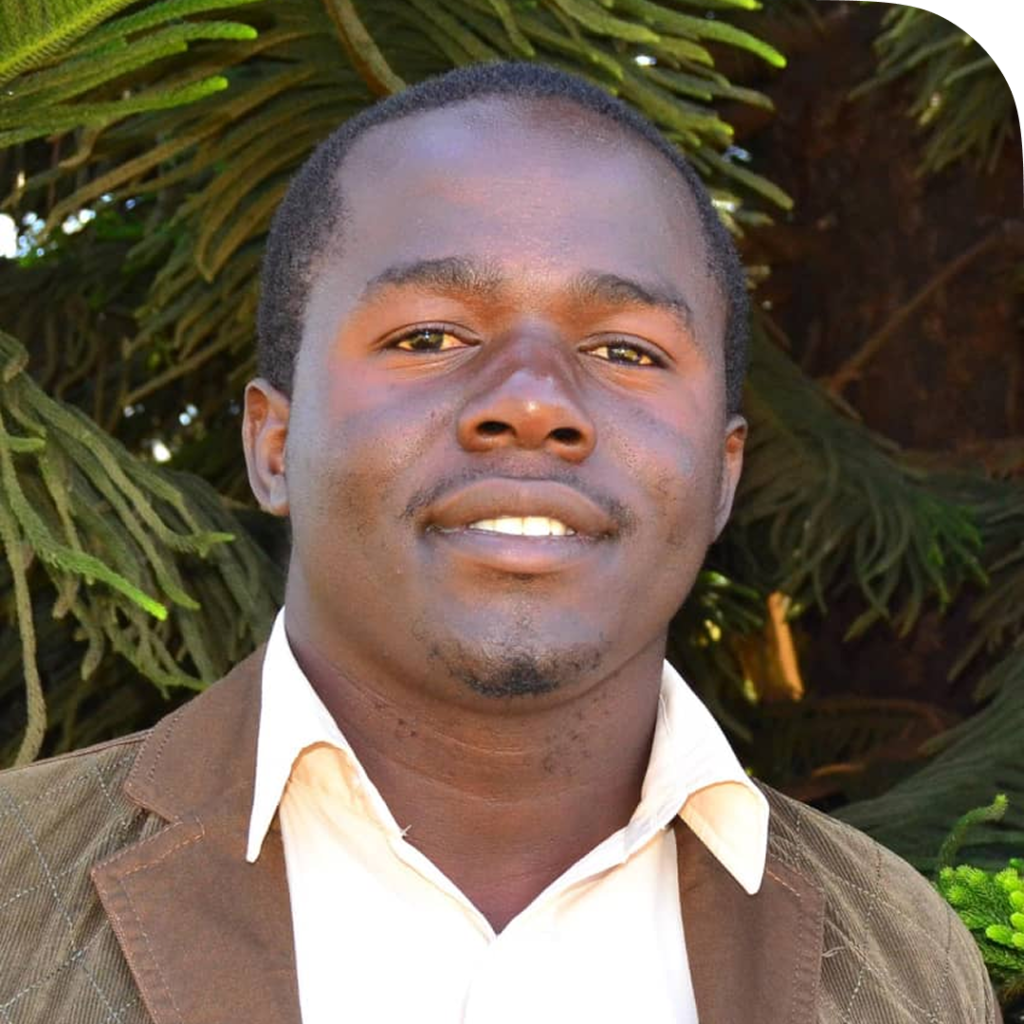
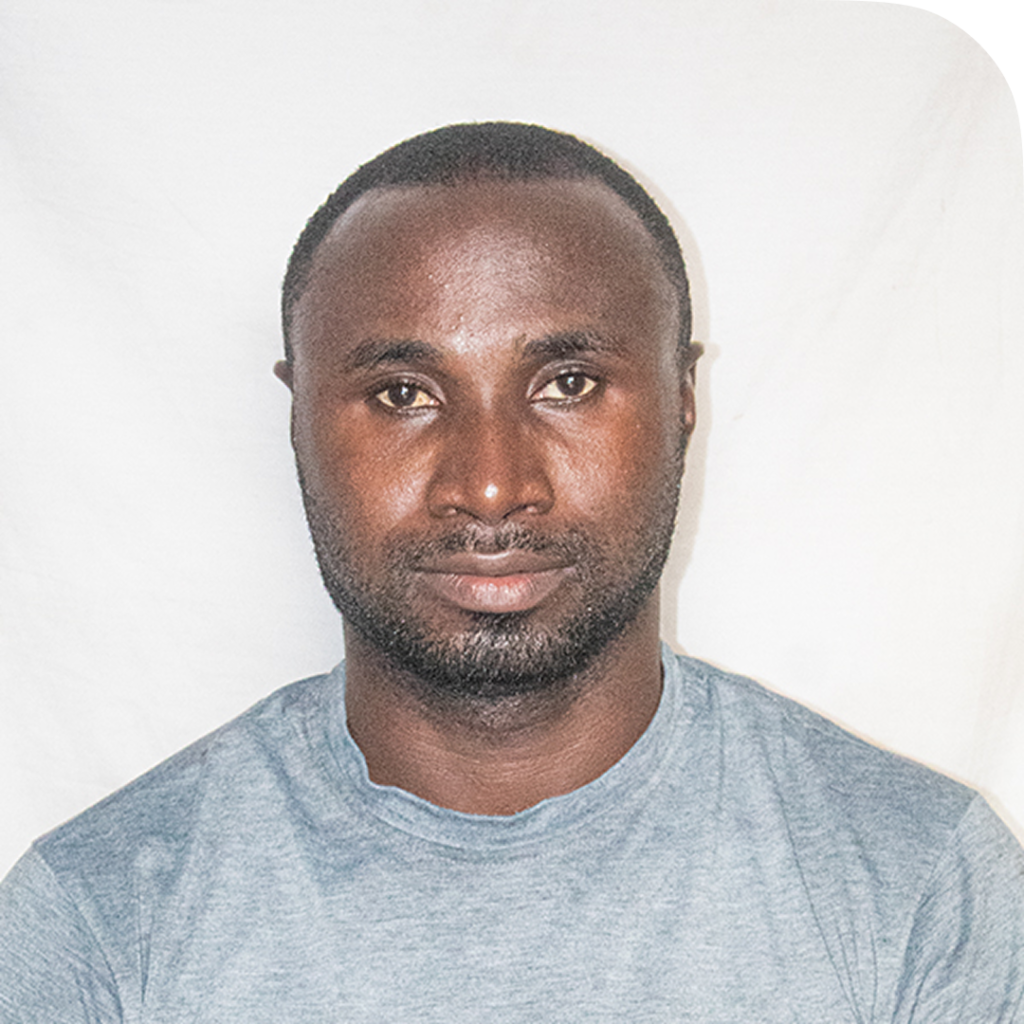
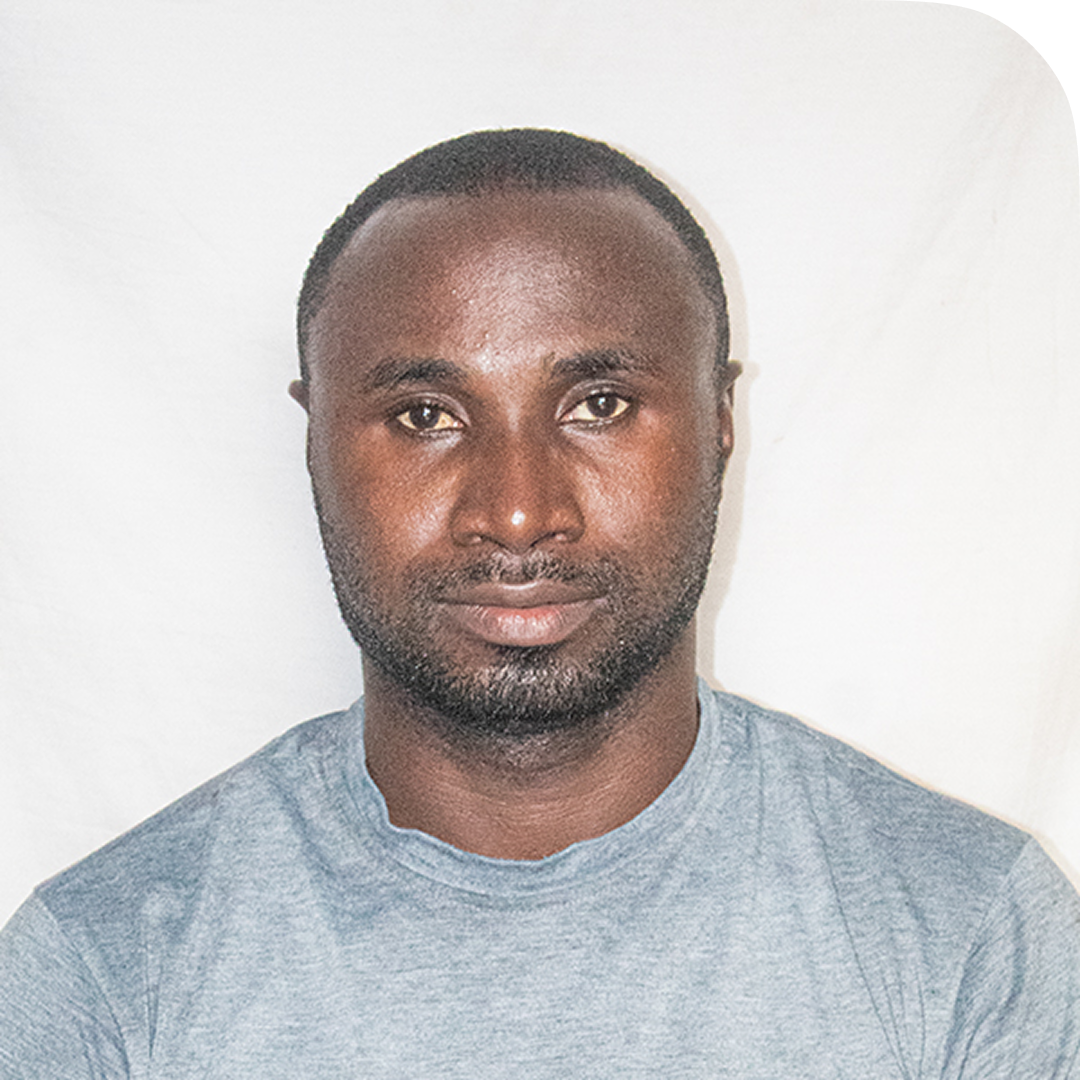
Dr. Kwaku Appiah Duodu is a Ghanaian Aquatic Veterinarian with over 5 years of specialized experience in fish health, welfare management, and sustainable aquaculture practices. He has a proven track record in designing and implementing comprehensive biosecurity measures, reducing disease outbreaks, antimicrobial usage, and mortality rates in aquaculture systems.
Dr. Duodu holds a Doctor of Veterinary Medicine (DVM) from Kwame Nkrumah University of Science and Technology and has extensive hands-on experience across aquaculture, fisheries, and veterinary services. As a Senior Veterinary Officer, he has served with the Fish Health Unit of Ghana’s Veterinary Services Department and Fisheries Commission since December 2020, managing aquatic animal health, disease surveillance, biosecurity monitoring, and contingency planning for transboundary aquatic animal diseases (TAADs).
He has previously operated the Westland Veterinary Clinic, and has worked in multiple fields as a veterinarian, gaining expertise in clinical care, diagnostics, abattoir operations, and poultry health management. Dr. Duodu is also an experienced trainer and facilitator, having led numerous courses on fish health, biosecurity, and aquatic disease management for fisheries officers and veterinary staff.
His professional accomplishments include technical membership in Ghana’s Animal Health Risk Communications Team, multiple certifications from FAO, Worldfish, AHSS Ghana, Cefas UK, and Norwegian Veterinary Institute, and volunteer work in rabies vaccination campaigns impacting thousands of animals across Ghana.
Dr. Duodu has contributed to the development of crucial national policy documents on Aquaculture Development, Aquatic Animal Health Strategy, Biosecurity, Emergency Response and Disease Control, Food Safety, and Antimicrobial Resistance. He advocates for the One Health concept, collaborating with stakeholders to address challenges in Ghana’s aquaculture and fisheries sector.
Dr. Duodu’s core strengths include diagnosis and treatment of terrestrial and aquatic animal diseases, animal health management, disease prevention, advocacy, critical thinking, and working effectively under pressure. He is fluent in English and Twi and continues to advance aquatic animal health, sustainable aquaculture, and public awareness in Ghana.
Passionate about advancing public, animal, and environmental health, Dr. Duodu sees the Africa Fish and Aquaculture Welfare (AFIWEL) Program as a catalyst for achieving his goals.
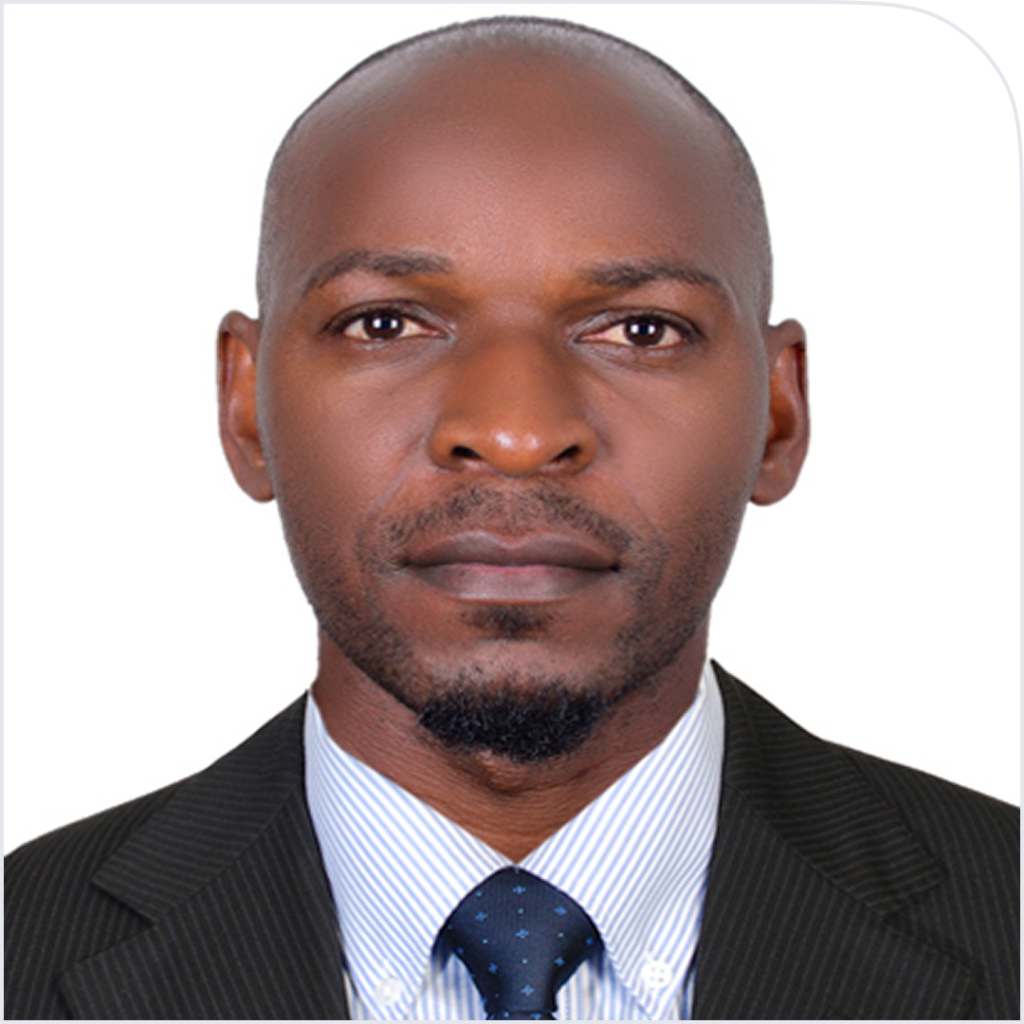
Alfred Ogheneakporobo Ukane is a Nigerian agribusiness expert, consultant, and development practitioner with a strong track record in agricultural transformation, food security, and youth economic empowerment. He is the MD/CEO of Melora Farms, an agribusiness enterprise committed to addressing Africa’s protein deficit by leveraging technology for efficient production and distribution. With extensive experience across the agribusiness value chain, Alfred works as an Agricultural Service Provider, Technical Advisor, and Consultant, supporting inclusive agricultural growth and sustainable livelihoods. His expertise spans agricultural education, entrepreneurship development, farm business management, climate-smart agriculture, and agribusiness program design and implementation.
Alfred has served as a technical advisor, master trainer, and consultant on multiple agricultural and enterprise development projects funded by reputable local and international organizations, including USAID, UNDP, PIND, the Mastercard Foundation, and other development partners. His work focuses on translating policy and development goals into practical, results-driven interventions for smallholder farmers and agribusiness MSMEs. A core pillar of his impact is capacity building. Alfred has trained and mentored over 10,000 smallholder farmers and MSMEs across Nigeria, equipping them with skills in farm business management, financial literacy, climate resilience, and modern production techniques.
He has also served as an agribusiness mentor with institutions such as the FATE Foundation and the Enterprise Development Centre (EDC), Pan- Atlantic University. Widely regarded as a thought leader in agribusiness and entrepreneurship, Alfred regularly speaks on marketing innovation, access to finance, sustainable growth strategies, and youth participation in agriculture. His philosophy is captured in his often-quoted line: “If we must empower farmers, we must first educate them.”
Beyond training and advisory services, Alfred has facilitated over ₦350 million in bank-funded loans for smallholder farmers, strengthening access to finance and enabling business expansion. His contributions to the growth of agriculture and agribusiness have earned him special recognition and awards from various organizations. Alfred holds a Bachelor of Agriculture (B.Agric) in Agricultural Economics and Extension Services from the University of Benin, as well as a Nigerian Certificate in Education (NCE) in Agricultural Science. He is currently pursuing a Master’s degree in Agricultural Economics at Delta State University, Abraka, and is a Certified Business Development Service Provider (BDSP) with the Small and Medium Enterprises Development Agency of Nigeria (SMEDAN)
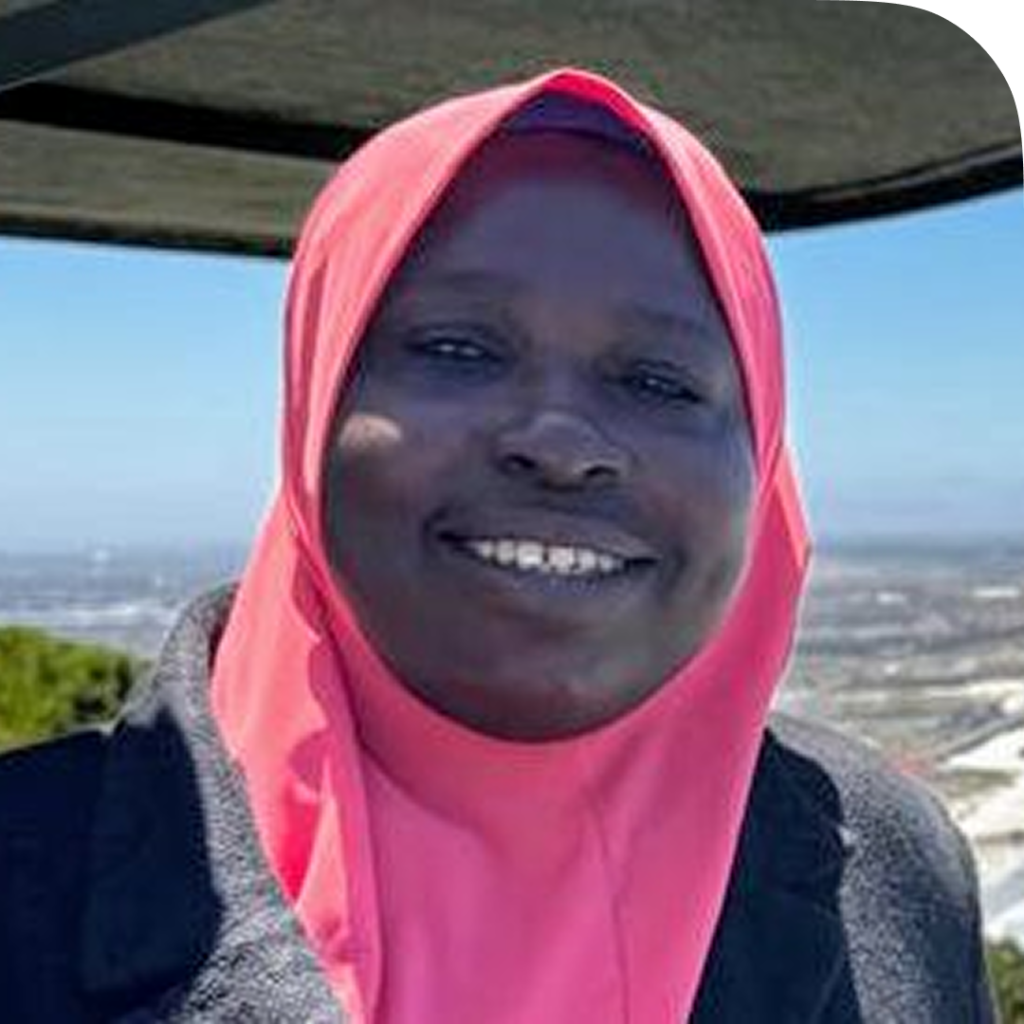
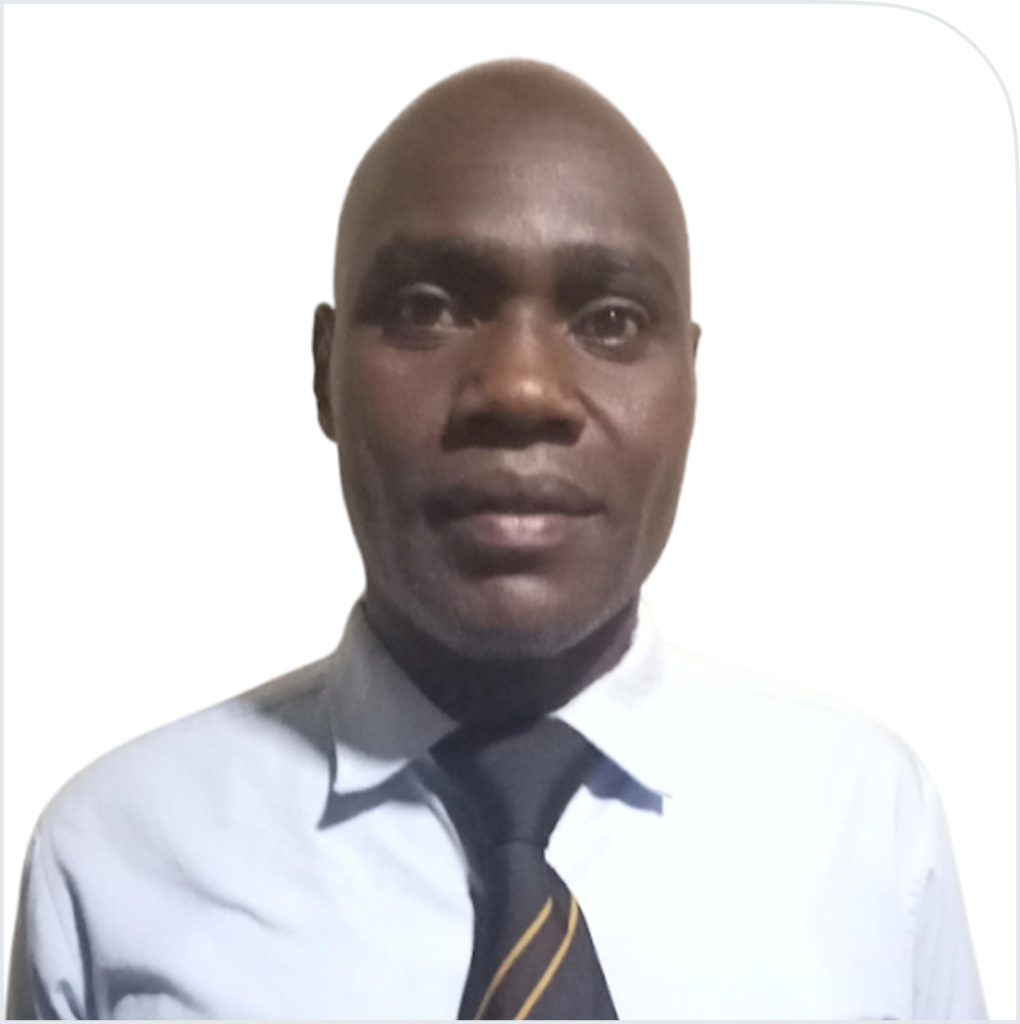
Dr. Zainabu Hamisi Kilusungu is a Tanzanian fisheries scientist and Fisheries Officer at the Ministry of Livestock and Fisheries. She holds a PhD in Aquaculture and Fisheries Science from Lilongwe University of Agriculture and Natural Resources, an MSc in Life Science and Engineering (Biodiversity and Ecosystem Management) from the Nelson Mandela African Institute of Science and Technology, and a BSc in Aquaculture from Sokoine University of Agriculture.
Dr. Kilusungu has over a decade of experience in fisheries research, training, and extension. She has led water quality and fish health assessments, provided training for small- and large-scale fish farmers, conducted inspections of fish products for domestic and international trade, and promoted best aquaculture practices across Tanzania. She previously served as a Tutor at the Fisheries Education and Training Agency (FETA), teaching courses in aquaculture, fish health, product processing, and farm management, and supervising student research projects.
Her research focuses on aquaculture sustainability, antimicrobial resistance in farmed fish, and food safety, with publications in PLOS ONE, the Egyptian Journal of Aquatic Biology and Fisheries, and other peer-reviewed journals. Notably, her work has explored multidrug-resistant bacteria and antibiotic residues in farmed fish in Dar es Salaam and their implications for human health.
Dr. Kilusungu has participated in multiple regional and international conferences, summer schools, and specialized training programs, including One Health Summer Schools in Malawi, the Heidelberg Institute of Global Health Summer School, and workshops on nanotechnology, aquaculture biosecurity, PCR-based diagnostics, and antimicrobial resistance. She is fluent in Swahili and proficient in English, combining technical expertise, research excellence, and hands-on extension to advance sustainable and safe aquaculture practices in Tanzania and the region.
Primrose Lehubye is an experienced aquatic animal health professional, environmental specialist, and aquaculture practitioner with over a decade of expertise in aquatic animal health management, environmental protection, and biosecurity systems. Her work focuses on strengthening aquatic animal health frameworks, advancing fish welfare practices, supporting sustainable aquaculture, and safeguarding biodiversity through science-based environmental management.
She holds a Bachelor of Science Honours degree in Environmental Management and a degree in Animal Health, supported by extensive professional training in aquatic animal health, ichthyology, aquaculture management systems, and aquatic disease control. Primrose is registered as a Professional Animal Health Technician with the South African Veterinary Council. Her specialized training has been obtained from reputable institutions including Rhodes University, Stellenbosch University, and the University of Stirling, Scotland, equipping her with advanced knowledge in fish health diagnostics, epidemiology, aquaculture biosecurity, and environmental risk assessment.
Since 2014, Primrose has served as an Environmental Officer (Specialized Production/Aquatic Animal Health Technician) at the Department of Forestry, Fisheries and the Environment in South Africa. In this capacity, she plays a critical role in the management, control, and regulation of aquatic animal health and welfare at the national level. Her responsibilities include aquatic disease surveillance, laboratory diagnostics, epidemiological data analysis, biosecurity implementation, and the monitoring of aquatic animal health threats that may affect production systems, biodiversity, and international trade.
Her work involves conducting scientific research on emerging and transboundary aquatic animal diseases, supporting early detection and response systems, and strengthening national preparedness for disease outbreaks. She contributes to the development and implementation of national aquatic animal health and welfare policies and strategies, ensuring alignment with international standards such as those established by the World Organisation for Animal Health (WOAH). She also contributes to pioneering departmental research on Abalone polychaete infestations as part of an early disease warning system. Through her work, she supports safe trade in aquatic products while promoting sustainable aquaculture development.
She is committed to promoting sustainable aquaculture through science-based regulation, environmental stewardship and contributing to sustainable aquaculture development through a One Health framework.
Darlington Besa is a senior aquaculture and fisheries professional with over 12 years of progressive experience in research, policy, and implementation within Zambia’s aquaculture sector. He currently serves as a Senior Aquaculture Research Officer at the Aquaculture Research Institute of Zambia (ARIZ)under the Department of Fisheries, where he leads the Molecular Biology and Food Safety Laboratories. He leads work in fish breeding, genomics, limnology, and fish nutrition to strengthen sustainable and welfare-centered aquaculture systems.
Darlington holds a Joint International Master’s Degree in Environmental Science (Limnology and Wetland Management) from BOKU Vienna, Egerton University, and IHE Delft, and a Bachelor’s degree in Fisheries and Aquaculture from Copperbelt University. His research background spans population genetics of Oreochromis species, selective breeding, food safety, and aquatic ecosystem management, with hands-on field experience across Zambia’s major freshwater systems. His work reflects a strong commitment to improving fish welfare, productivity, and resilience while advancing food security and market competitiveness across Africa.
As an AFIWEL Fellow for Zambia (2025 Cohort) under the One Health and Development Initiative, Darlington played a central role in translating fish welfare principles into national practice. He led the integration of aquatic animal welfare into national aquaculture sustainability objectives, convened Zambia’s national AFIWEL inception and action planning workshop, and coordinated multi-sectoral engagement involving government, academia, the private sector, and media. He also spearheaded the development of the Fish Welfare Training Guide for Zambia, providing a practical framework for farmers and extension agents, and supported the establishment of the national AFIWEL SAFE Committee to guide governance and implementation.
His work is driven by a passion for advancing sustainable aquaculture practices and integrating fish welfare into production systems. He remains dedicated to enhancing the quality, sustainability, and resilience of aquaculture in Zambia and beyond.
Adiang’ Evans is a highly experienced aquaculture specialist and a conservationist with a BSc in Aquatic resources conservation and Development, with IT from Maseno University and Msc finalist in Fisheries and Aquatic sciences, from university of Eldoret. In addition, he has post-graduate certificate in project management from African International Research and Developmental Studies (AIRADS) and Postgraduate diploma in technical trainer’s education from Kenya Technical Trainers College currently known as Kenya School of TVETs.
He is the Director of Kazins Consultants fish farm, where he oversees practical training, mentorship, and fish cage operations with the main focus on sustainable production, fish welfare, and youth empowerment. The farm serves as a hands-on learning hub for youth, women, and local farmers, enabling them to implement welfare-focused and sustainable aquaculture practices through partnership with Bondo TTI, Ramogi TTI and Lusi Onono TVC from Kenya in addition to Humber Polytechnic in Toronto, Canada.
In addition, Adiang’ Evans is the Deputy Registrar and a Senior Technical Trainer at Ramogi Institute of Advanced Technology (RIAT), under Public Service Commission (PSC) of Kenya. This role complements his work at The Kazins Consultants by providing institutional support, technical expertise, and collaborative networks for training programs and curriculum development.
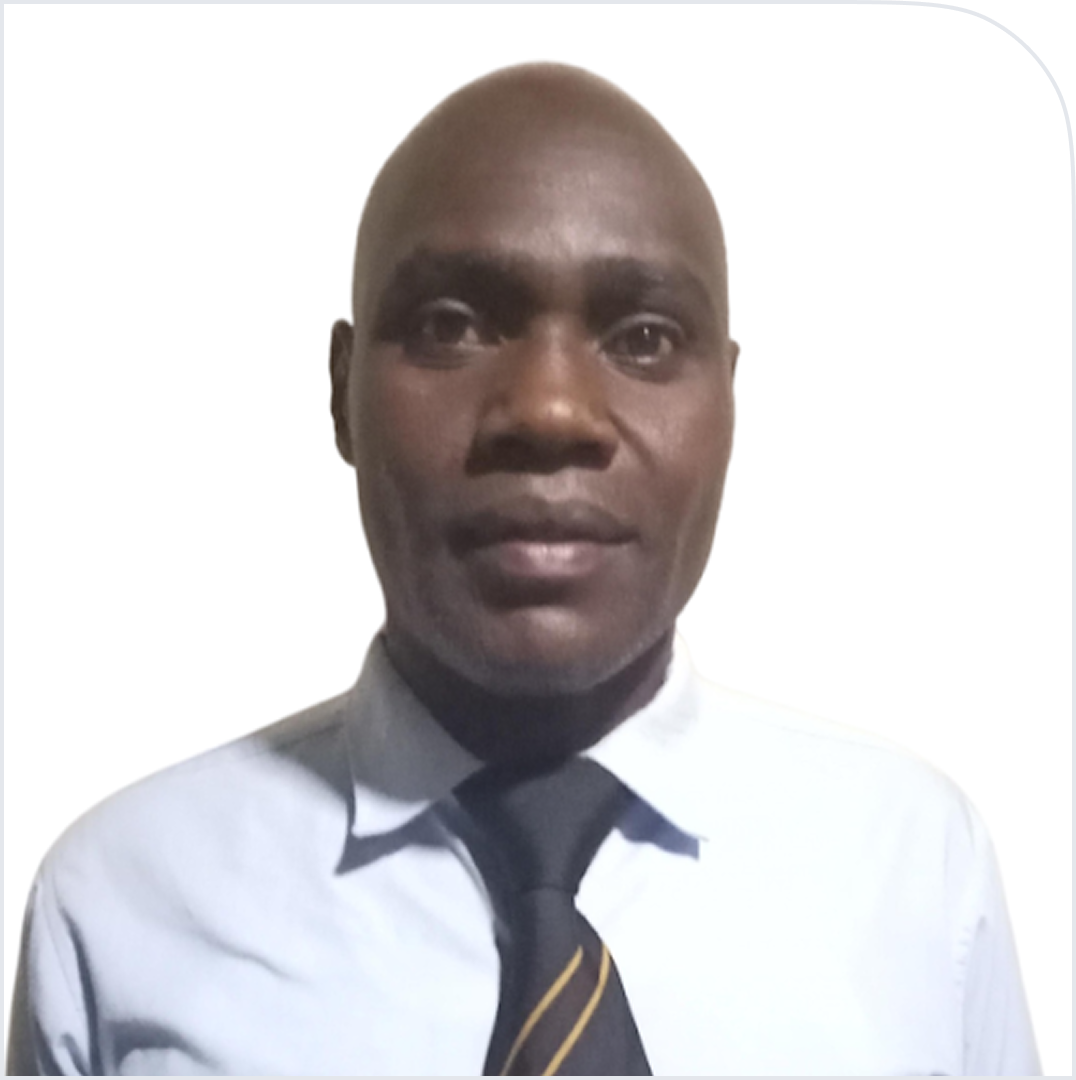
He has authored and co- authored multiple aquaculture curricula and training manuals to guide sustainable and welfare-sensitive farming practices under Youths in Sustainable Aquaculture (YISA) program, and Aquaculture Business Development Program (ABDP) coupled with two research papers published, as a co- author, in the international referred journals. He has conducted several trainings as a facilitator for TRUE-FISH and LVFO projects in Kenya, Uganda, Tanzania and Burundi.
His interest in fish and aquaculture welfare is driven by the belief that healthy fish and ethical farming practices are central to sustainable aquaculture, food security, and inclusive economic growth.
Meriam Msatilomo Phiri is a multi-disciplinary leader and researcher whose dedication to the aquatic sector was forged by a deep concern for the health of the African Great Lakes. Her commitment to sustainable aquaculture was solidified during the devastating 2020 and 2021 Epizootic Ulcerative Syndrome (EUS) outbreaks in Malawi, where she actively participated in disease surveillance and the development of the national Aquatic Animal Health and Biosecurity Strategy. This experience transformed her from a scientist into a powerful advocate for institutional change.
After serving as an AFIWEL Research Fellow for Phase 2 implementation, Meriam is the author of the first-ever Country-Specific Fish Welfare Training Guide for Malawi. She is dedicated to transitioning this work into a national standard, helping small-scale farmers turn ethical production into a competitive business advantage. Her expertise extends beyond research; she has successfully led projects promoting climate-smart Integrated Aquaculture-Agriculture (IAA) systems, resulting in a 45% improvement in household food security for hundreds of farmers.
Beyond her work with the One Health Development Initiative (OHDI), Meriam brings a unique private-sector perspective to the fellowship as the Operations Manager for CMK Engineering Solutions and a fundraising assistant and market access initiatives for the African Women Fish Processors and Traders Network (AWFISHNET). By blending scientific innovation with business strategy, Meriam is mentoring the next generation of women scientists and ensuring that aquaculture in Africa remains sustainably raised, affordable, food-safe, and ethically produced (SAFE).
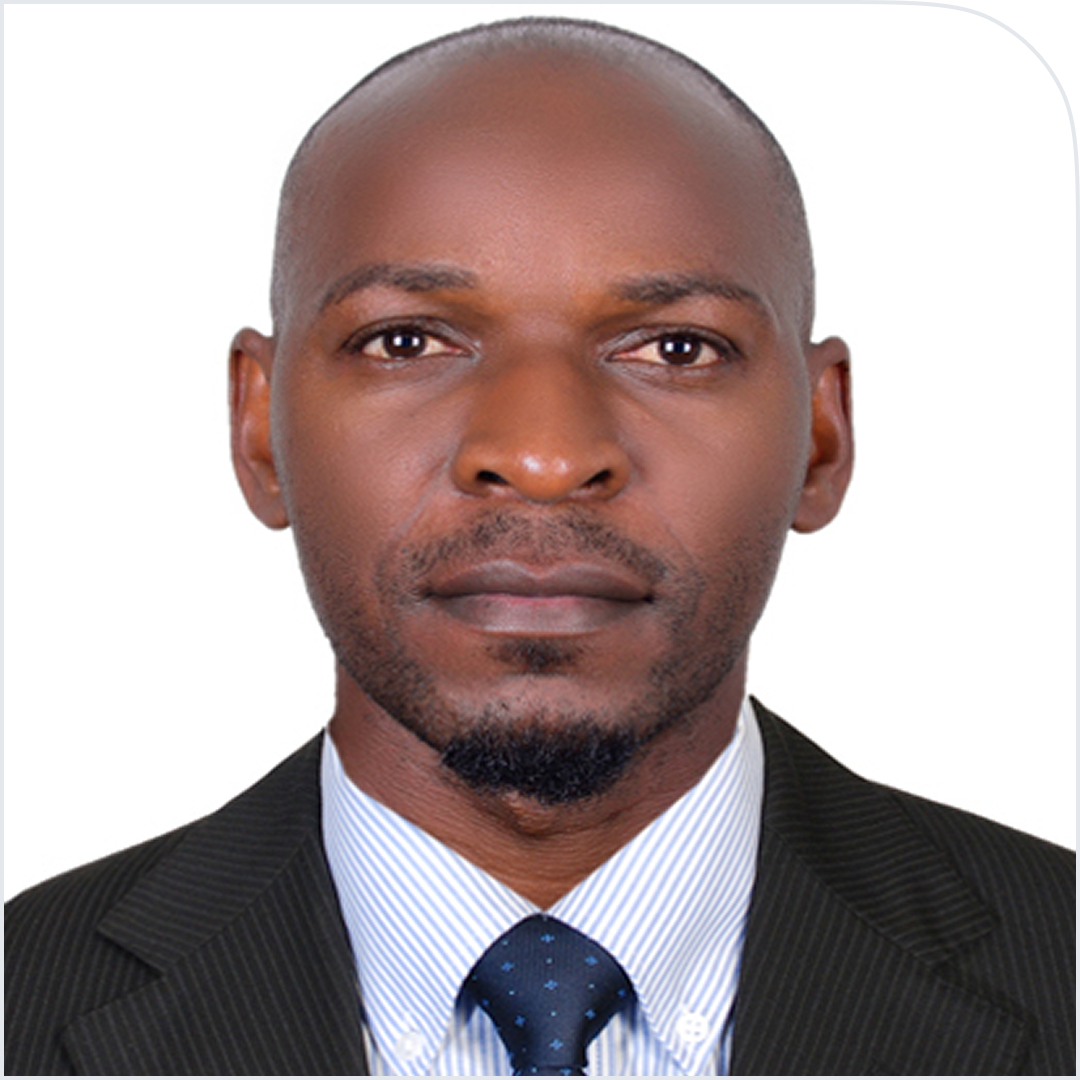
Philip Rwezawula is a Ugandan Aquatic Scientist focusing on advancing sustainable, antibiotic-free aquaculture in Africa and beyond. His research focuses on the development and application of indigenous probiotics and bacteriophages as environmentally responsible alternatives for disease control in fish farming. In addition, Philip is currently serving as a Postdoctoral Fellow at Ghent University, working on a follow-up project to his PhD research entitled “Indigenous Probiotic Valorisation in Aquaculture (INPROVAQUA).” The project focuses on scaling, field validation, and network-driven uptake of proven probiotic innovations to strengthen aquaculture productivity and reduce antibiotic dependence.
Philip has authored and co-authored over eight peer-reviewed scientific publications in internationally recognized journals, including Aquaculture Reports, BMC Microbiology, Frontiers in Microbiology, Fishes, Journal of Great Lakes Research, and Journal of Limnology. His research outputs span fish health, probiotics, hatchery management, aquaculture sustainability, and aquatic biodiversity. He has also presented his work at multiple international and regional scientific conferences, including the Fish & Shellfish Larviculture Symposium (Belgium, 2024) and the World Aquaculture Safari (Uganda, 2025).
In recognition of his scientific excellence and innovation, Philip has received several awards, notably the Best Student Spotlight Award at World Aquaculture Safari 2025 (Kampala) and the Second-Best Expert Pitch Award at the BBT Baltic Hackathon 2025 (Poland) for innovative solutions promoting healthier fish production in intensive recirculating aquaculture systems. He is also the applicant of a patent (EP 24212619.1) for a novel probiotic isolation method and strains applicable in aquaculture, currently under evaluation by the European Patents Office (EPO).
Alongside his research career, Philip serves as an Assistant Lecturer in Aquatic Sciences at the Maritime Institute, Busitema University, Uganda, where he contributes to teaching, research, innovation, and student mentorship. Previously, he worked for seven years (2013 – 2020) as a researcher at the National Fisheries Resources Research Institute (NaFIRRI–NARO). During this period, he spearheaded the development of the NARO Cage Aquaculture App, now available on the Google Play Store, a digital decision-support tool designed to assist fish farmers across Uganda with cage aquaculture management.
He is also a founding member and voluntary Aquaculture Planning & Development Officer at the African Great Lakes Network (AFLANET) Uganda, supporting sustainable aquaculture livelihoods across the region. Philip holds a PhD in Bioscience Engineering: Animal Sciences and Aquaculture and an International MSc. in Aquaculture (IMAQUA) from Ghent University (Belgium), a BSc. in Fisheries and Aquaculture from Makerere University (Kampala-Uganda), and a Diploma in Fisheries Management and Technologies from the Fisheries Training Institute (Entebbe-Uganda). He is a recognized fellow for his scientific leadership, international collaboration, and commitment to translating research into practical, scalable solutions for resilient aquatic food systems.