ABOUT US

Africa Fish & Aquaculture Welfare Program

AFIWEL

About the AFIWEL Program

The Africa Fish and Aquaculture Welfare (AFIWEL) Program is a pan-African initiative that is supporting ethical, welfare-driven, safe and sustainable aquaculture production systems across Africa. The project is a scale-up of our previous successful pilot activities in Nigeria to research and establish a framework for education, capacity building, policy, and implementation of good fish health and welfare practices into aquaculture production systems.

The project also hosts the AFIWEL Fellowship and the bi-annual AQUAWEL Conference

AFIWEL

About the AFIWEL Program

The Africa Fish and Aquaculture Welfare (AFIWEL) Program is a pan-African initiative that is supporting ethical, welfare-driven, safe and sustainable aquaculture production systems across Africa. The project is a scale-up of our previous successful pilot activities in Nigeria to research and establish a framework for education, capacity building, policy, and implementation of good fish health and welfare practices into aquaculture production systems.

The project also hosts the AFIWEL Fellowship and the bi-annual AQUAWEL Conference

AFIWEL

About the AFIWEL Program

The Africa Fish and Aquaculture Welfare (AFIWEL) Program is a pan-African initiative that is supporting ethical, welfare-driven, safe and sustainable aquaculture production systems across Africa. The project is a scale-up of our previous successful pilot activities in Nigeria to research and establish a framework for education, capacity building, policy, and implementation of good fish health and welfare practices into aquaculture production systems.

The project also hosts the AFIWEL Fellowship and the bi-annual AQUAWEL Conference

AFIWEL

About the AFIWEL Program

The Africa Fish and Aquaculture Welfare (AFIWEL) Program is a pan-African initiative that is supporting ethical, welfare-driven, safe and sustainable aquaculture production systems across Africa. The project is a scale-up of our previous successful pilot activities in Nigeria to research and establish a framework for education, capacity building, policy, and implementation of good fish health and welfare practices into aquaculture production systems.

The project also hosts the AFIWEL Fellowship and the bi-annual AQUAWEL Conference

How the AFIWEL Program Started

The AFIWEL Program was established by One Health and Development Initiative (OHDI), a non-profit organization that works to address correlated issues of human, animal, and ecosystem health using the integrated “One Health” approach.

Animal Welfare is one of our core areas of work which we recognize as an important contributor to One Health and sustainable development. Under this focus area, we have been implementing several activities to advance and promote fish welfare and its integration into fish production systems. These include the publication of our Fish Welfare Training Guide, the development of an online training course on fish welfare, training programs for fish farmers and aquaculture stakeholders in public and private sector, and public awareness activities. While several of these interventions have been piloted in Nigeria, they are now being scaled to key aquaculture-producing countries in Africa through the Africa Fish and Aquaculture Welfare (AFIWEL) Program.

OHDI

ABOUT US

About the AFIWEL Program

The Africa Fish and Aquaculture Welfare (AFIWEL) Program is a pan-African initiative that is supporting ethical, welfare-driven, safe and sustainable aquaculture production systems across Africa. The project is a scale-up of our previous successful pilot activities in Nigeria to research and establish a framework for education, capacity building, policy, and implementation of good fish health and welfare practices into aquaculture production systems.

The project also hosts the AFIWEL Fellowship and the bi-annual AQUAWEL Conference.

How the AFIWEL Program Started

The AFIWEL Program was established by One Health and Development Initiative (OHDI), a non-profit organization that works to address correlated issues of human, animal, and ecosystem health using the integrated “One Health” approach. Animal Welfare is one of our core areas of work which we recognize as an important contributor to One Health and sustainable development. Under this focus area, we have been implementing several activities to advance and promote fish welfare and its integration into fish production systems. These include the publication of our Fish Welfare Training Guide, the development of an online training course on fish welfare, training programs for fish farmers and aquaculture stakeholders in public and private sector, and public awareness activities. While several of these interventions have been piloted in Nigeria, they are now being scaled to key aquaculture-producing countries in Africa through the Africa Fish and Aquaculture Welfare (AFIWEL) Program.

Why Aquatic Animal Welfare Matters

By embracing ethical aquaculture practices, we ensure that the welfare of aquatic life remains at the heart of sustainability, food safety, food security, and economic development.

Sentience & Compassion

Fish and other farmed aquatic animals are sentient beings capable of feeling pain, stress, and discomfort. Recognizing their capacity for suffering is fundamental to ethical treatment, ensuring that every life is respected and nurtured.

Food Security with Integrity

Healthy fish and aquatic populations are still critical for providing quality protein, especially as Africa’s demand for nutritious food grows. By prioritizing welfare of farmed fish and aquatic animals, we help secure food resources that are safe, sustainable, and ethically produced.

Sustainable Stewardship

Ethical farming of fish and aquatic animals isn’t just about production; it’s about preserving aquatic health, ensuring ecosystem balance, and safeguarding the natural habitats that sustain life. Sustainable practices honor the intrinsic value of every creature and contribute to a healthier planet.

Economic Growth with Responsibility

Investing in robust, welfare-focused aquaculture systems creates job opportunities and drives local and and international market expansion. Moreso, it also builds an industry that values humane practices and ethical stewardship. When economic progress and compassion go hand in hand, everyone benefits.

Our Implementation Strategies

A multi-faceted approach to transforming African aquaculture through research, policy, and market innovation.

Research

We conduct and support research projects that explore the best methods for improving fish health and well-being, reducing stress, and promoting welfare-friendly aquaculture practices.

Policy Advocacy and Integration

Integrating fish and aquatic animal welfare into national and regional policies, sustainable aquaculture strategies, and blue economy frameworks.

Stakeholder Engagement and Capacity Building

Building the knowledge, skills, and networks required to implement welfare and ethical aquaculture practices at scale.

Market Access and Value Chain Support (AFIWEL SAFE Model)

To operationalize the AFIWEL SAFE framework, creating welfare-compliant, traceable supply chains that improve farmers' access to compliant local and international markets.

Consumer Awareness

To increase public understanding of fish welfare, food safety, and the value of ethically produced fish, driving demand and cultural shifts.

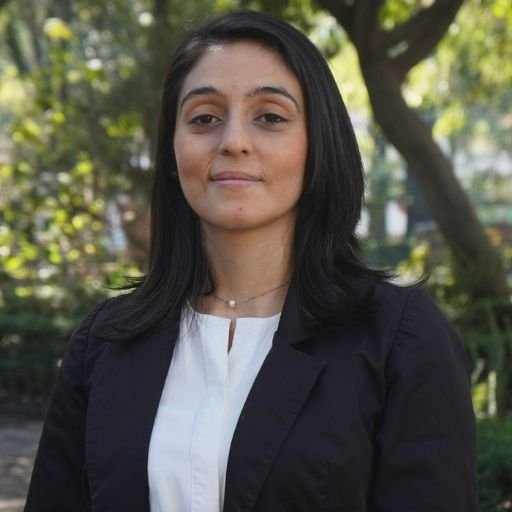
Meet the AFIWEL Team

Coordinating Team

Dr. Kikiope Oluwarore

Program Lead

Julie-AFIWEL

Julie Bwoga

Program Manager

Dr. Nasiru Salawu

Program Officer

Dr. Bashirat Idris

Program and Communications Coordinator

Dr. Kikiope Oluwarore

Program Lead

Julie Bwoga

Program Manager

Dr. Nasiru Salawu

Program Officer

Dr. Bashirat Idris

Program and Communications Coordinator

Advisory

Prof Sloans Chimatiro

President, African Union Policy and Research Network for Fisheries and Aquaculture in Africa

Madam Foluke Areola

President, World Aquaculture Society (Global)

Dr. Catalina Lopez

Director, Aquatic Animal Alliance, Aquatic Life Institute