FISH WELFARE IMPROVEMENTS IN AQUACULTURE
The primary focus of Fish Welfare Initiative’s work is addressing fish welfare in order to minimize the animal suffering associated with the way we rear and handle farmed fish. Therefore,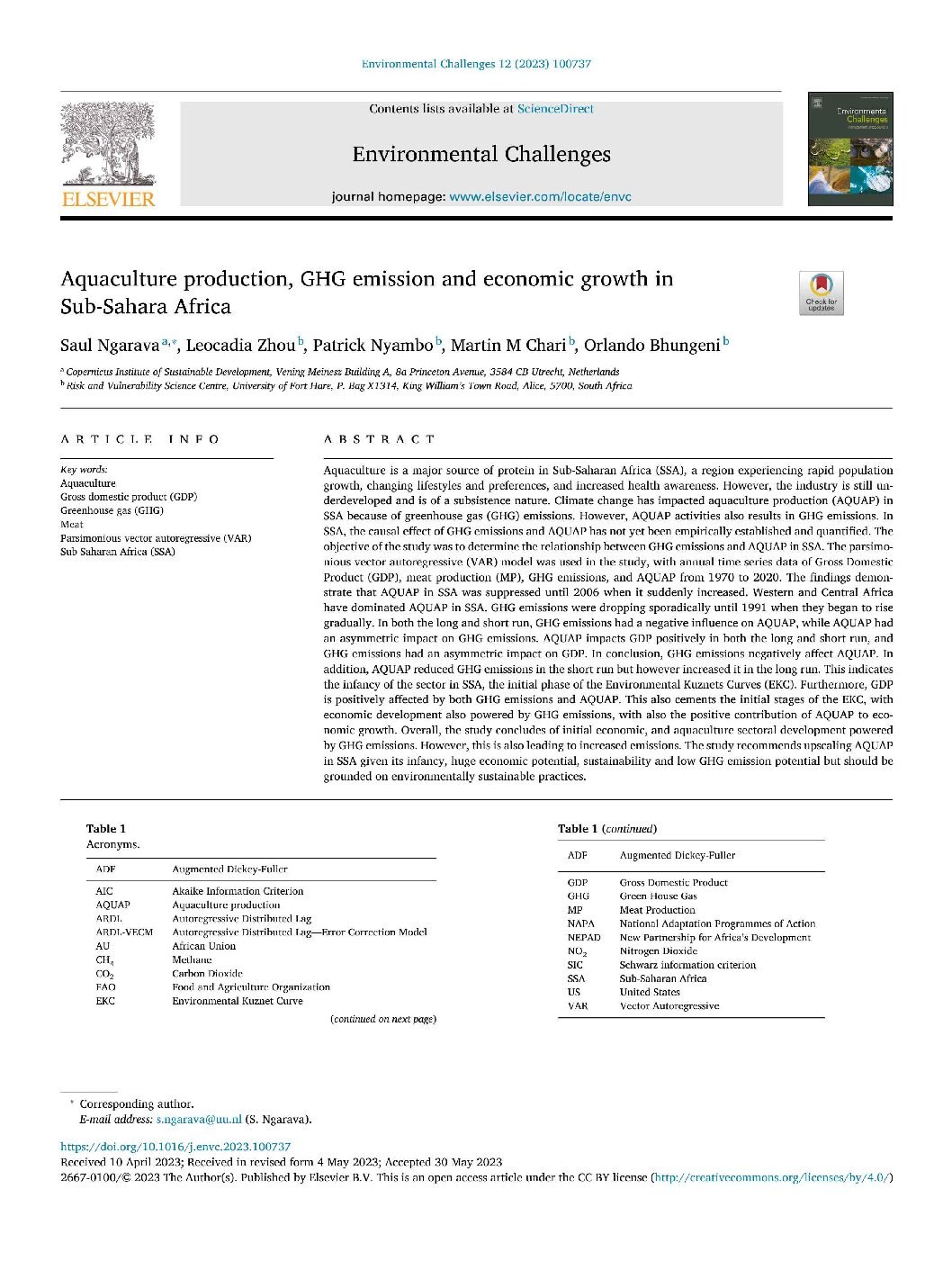
Aquaculture production, GHG emission and economic growth in Sub-Sahara Africa
Aquaculture is a major source of protein in Sub-Saharan Africa (SSA), a region experiencing rapid population growth, changing lifestyles and preferences, and increased health awareness. However, the industry is still
African aquaculture: Realizing the potential
Despite 40 years of research and development, and hundreds of millions of dollars spent, aquaculture is struggling to realize its high biophysical potential in Africa. Hampered by ineffective institutional arrangements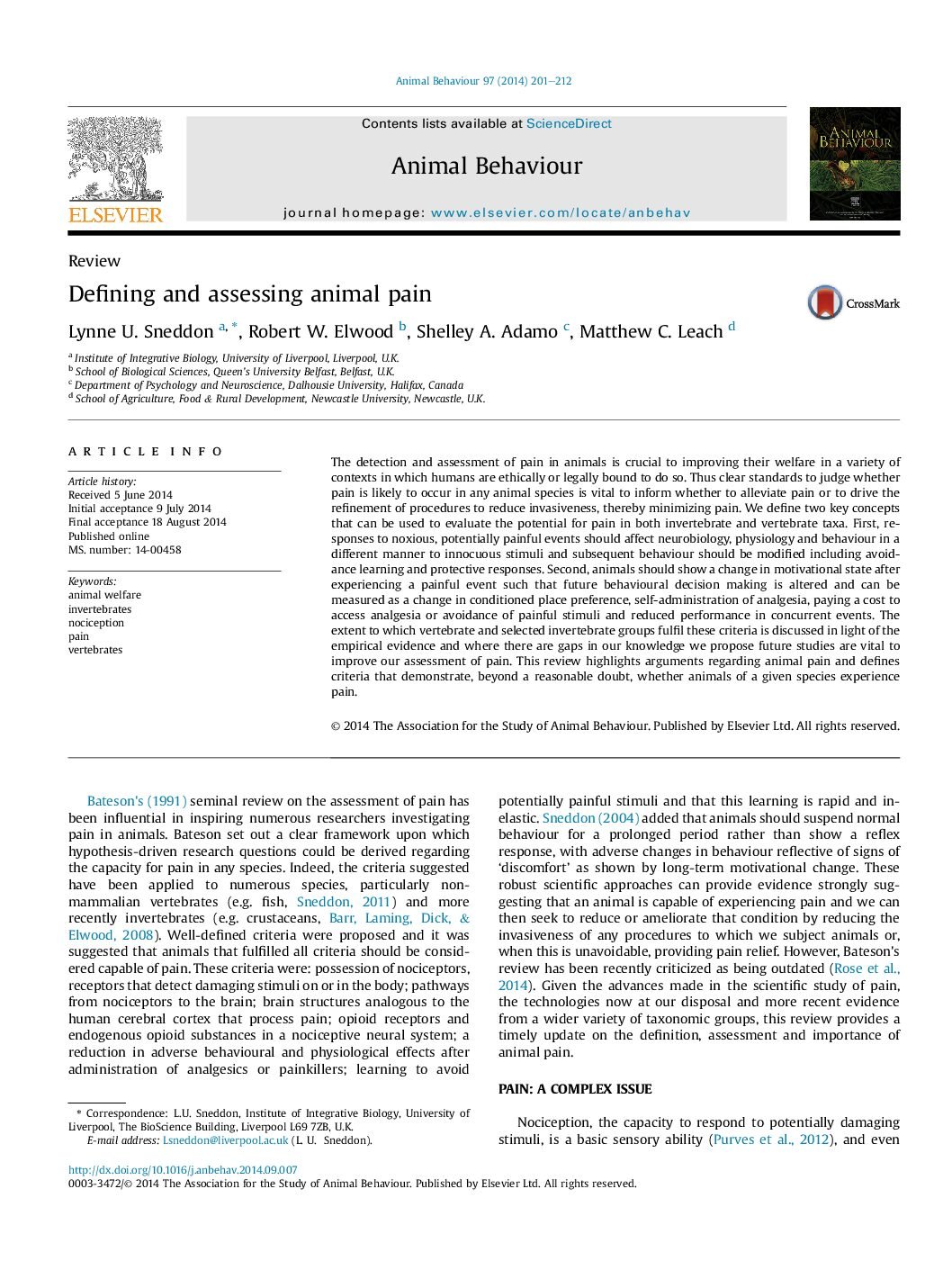
Defining and assessing animal pain
The detection and assessment of pain in animals is crucial to improving their welfare in a variety of contexts in which humans are ethically or legally bound to do so.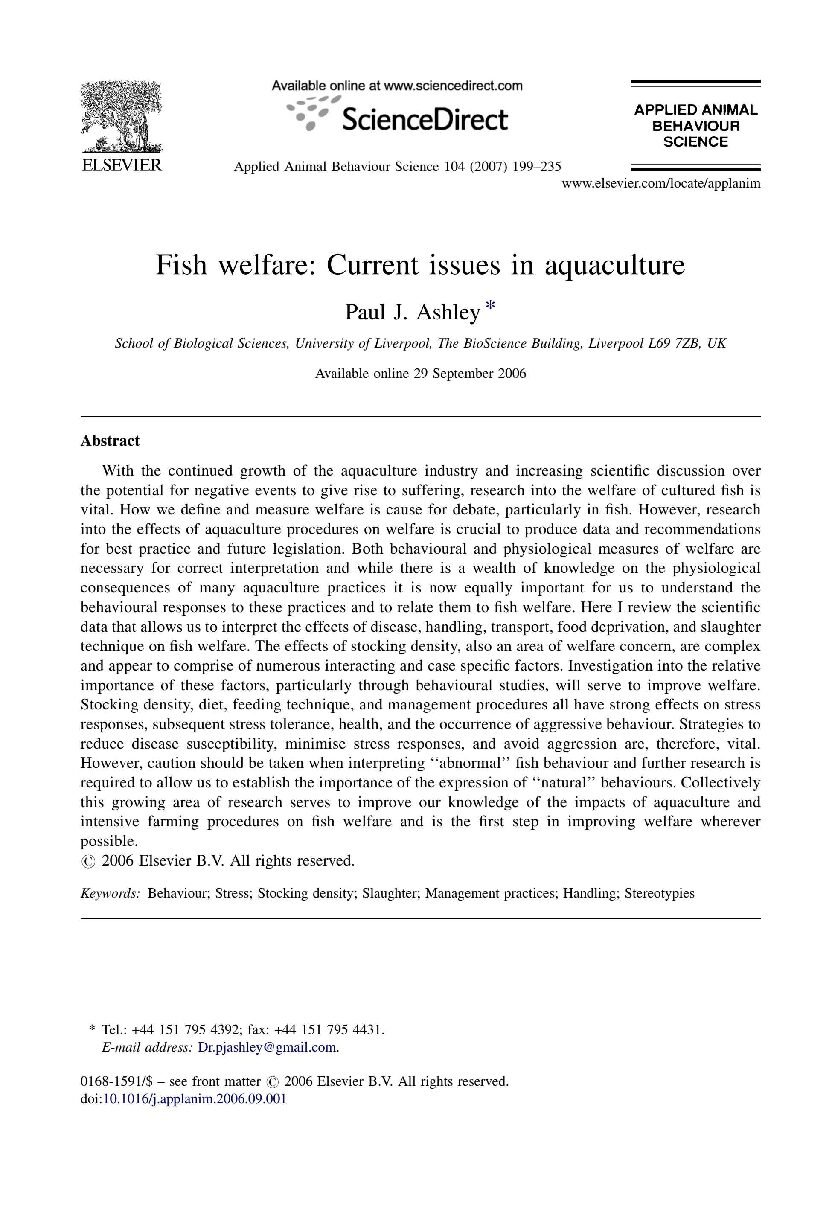
Fish welfare: Current issues in aquaculture
With the continued growth of the aquaculture industry and increasing scientific discussion over the potential for negative events to give rise to suffering, research into the welfare of cultured fish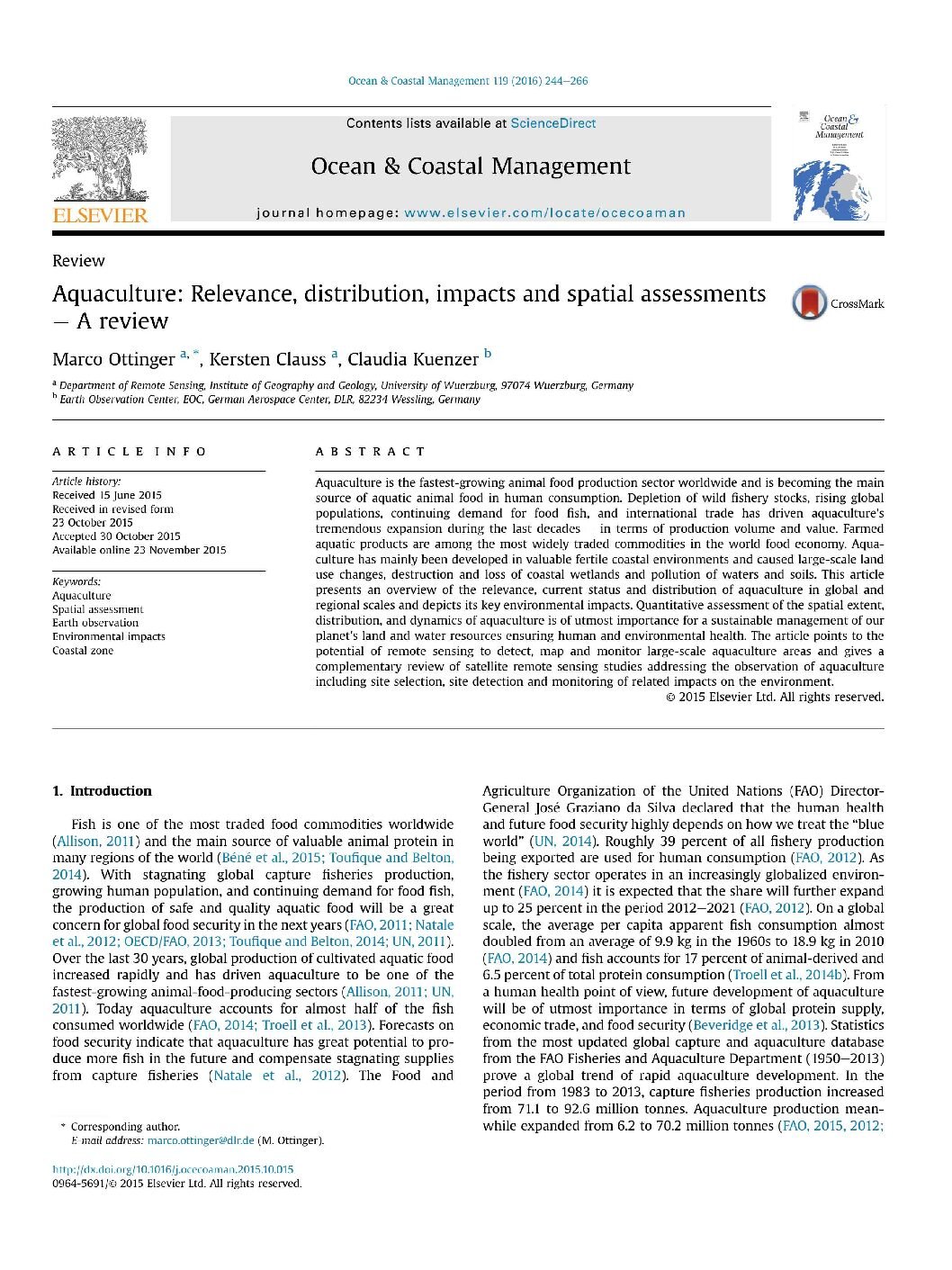
Aquaculture: Relevance, distribution, impacts and spatial assessments – A review
Aquaculture is the fastest-growing animal food production sector worldwide and is becoming the main source of aquatic animal food in human consumption. Depletion of wild fishery stocks, rising global populations,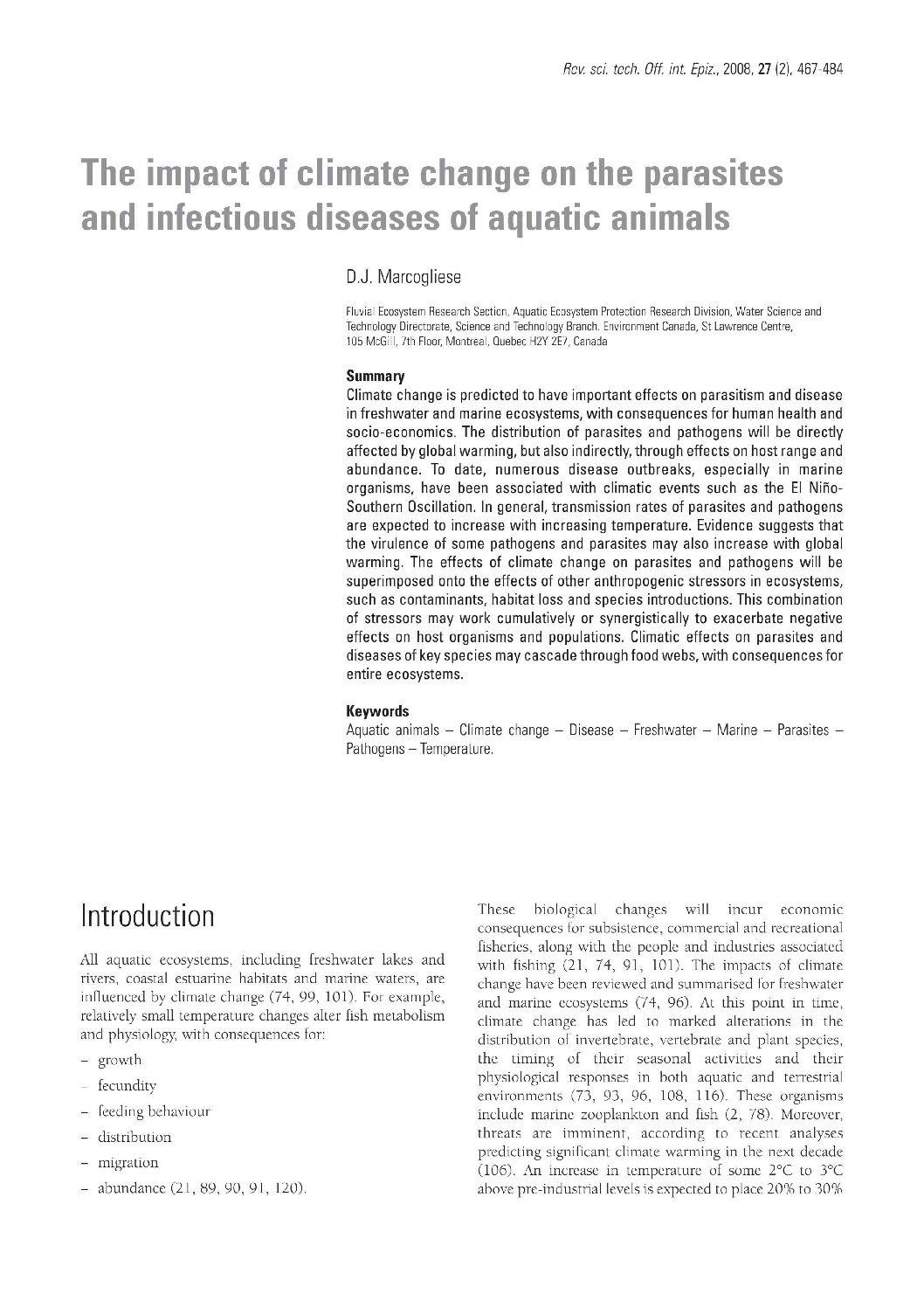
The impact of climate change on the parasites and infectious diseases of aquatic animals
Climate change is predicted to have important effects on parasitism and disease in freshwater and marine ecosystems, with consequences for human health and socio-economics. The distribution of parasites and pathogens
Ecological-Economic modelling and implications of land use change and wetlands extent on freshwater fisheries
Watershed degradation and the conversion of wetlands to alternative uses affect water quality, having profound implications for the freshwater ecosystem and fisheries of Lake Victoria. Through dynamic simulations
Antimicrobial use in aquaculture re-examined: its relevance to antimicrobial resistance and to animal and human health
The worldwide growth of aquaculture has been accompanied by a rapid increase in therapeutic and prophylactic usage of antimicrobials including those important in human therapeutics. Approximately 80% of antimicrobials used